
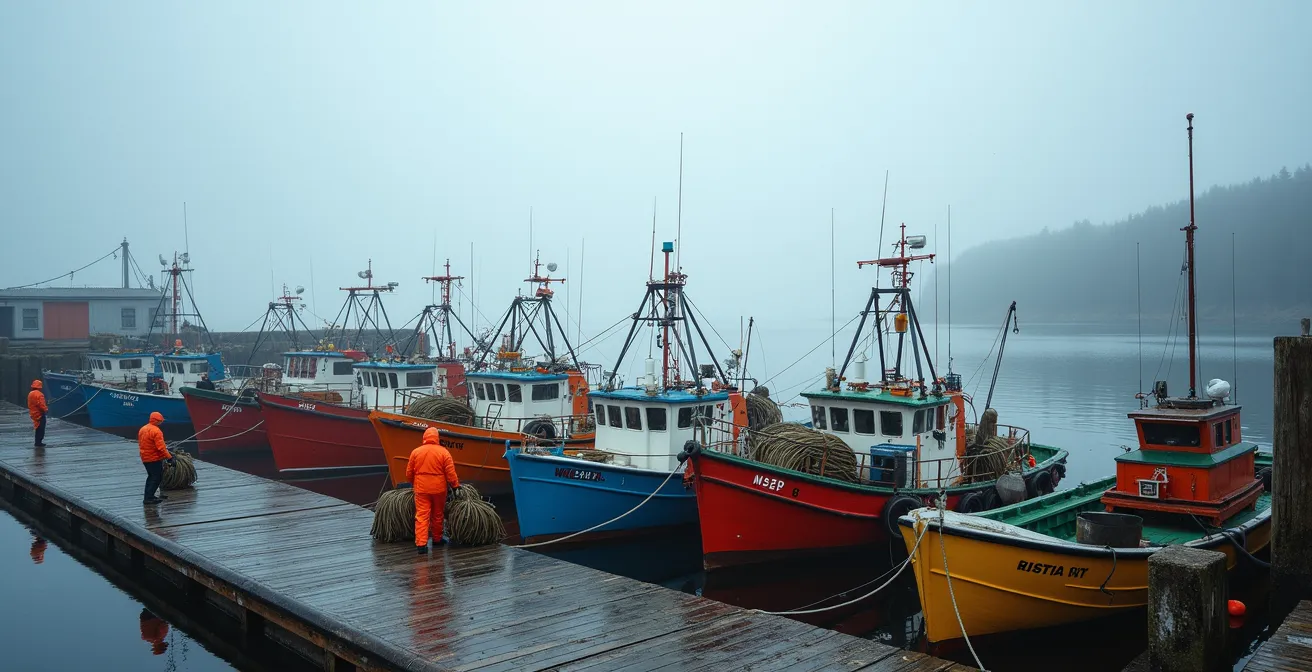
The secret to seeing an authentic Nova Scotia wharf isn’t knowing where to go, but how to act once you’re there.
- A working wharf is an active, dangerous worksite, not a tourist attraction; its rhythm is dictated by tides and seasons, not visitor hours.
- Authenticity is found in understanding the ‘why’—from the history of the cod collapse to the science of lobster seasons—not just looking at boats.
Recommendation: Shift your mindset from a consumer to a respectful observer. Learn the unspoken rules of wharf etiquette, and you’ll earn a view of the real Maritime soul that no postcard can capture.
Every summer, folks arrive in my corner of the world, drawn by postcards of colourful boats bobbing in a storybook harbour. They want to smell the salt, hear a gull cry, and see a fisherman mending his nets. They’re looking for the “real” Nova Scotia. But there’s a deep channel between the tourist’s dream and the reality of a working wharf. A wharf is not a theme park. It’s an outdoor factory floor, a place of hard labour, unpredictable schedules, and very real dangers. The biggest mistake you can make is thinking you’re the main character in the scene.
Most guides will tell you where to go—Lunenburg, Peggy’s Cove, a dozen other spots. They’ll tell you to talk to the fishermen, as if they’re paid actors waiting for a chat. That’s how you get in the way. It’s how you end up being seen as a nuisance, another “come from away” who doesn’t get it. But what if the key wasn’t about finding the right spot, but about having the right attitude? What if the true experience wasn’t about taking a photo, but about earning the view?
This isn’t a list of the prettiest harbours. This is a lesson in wharf etiquette, taught from a lifetime on these slimy timbers. It’s about learning the rhythms, understanding the history that shaped our communities, and knowing how to be a welcome, respectful observer instead of an obstacle. If you want to see the living heart of our fishing culture, you first have to learn how not to get in its way.
This guide will walk you through the unspoken rules of the wharf, from the history that defines us to the practical skills that will keep you safe and welcome. We’ll cover everything you need to know to move from being a tourist to being a truly appreciative guest.
Summary: A Fisherman’s Guide to the Real Maritime Wharf Experience
- Why did the cod moratorium change Newfoundland culture forever?
- How to tell a lobster boat from a scallop dragger?
- Working port or souvenir strip: where to find the authentic salty air?
- The footwear mistake that leads to accidents on slimy timbers
- When to be at the dock to buy fresh seafood directly from the boat?
- PEI National Park or New Brunswick coast: which offers better cliffside views?
- Why is fresh lobster available in different zones at different times?
- How to eat a whole lobster like a local without making a mess?
Why Did the Cod Moratorium Change Newfoundland Culture Forever?
Before you can understand the wharf you’re standing on today, you have to understand the ghosts that haunt it. For 500 years, life in Atlantic Canada, especially Newfoundland and Labrador, revolved around one thing: cod. It wasn’t just a fish; it was our currency, our culture, our clock. Then, in 1992, it was gone. The federal government announced a moratorium on Northern cod fishing because, after decades of overfishing by massive factory trawlers, the Northern cod populations fell to just 1% of their historic levels. This wasn’t a downturn; it was an apocalypse.
The moratorium triggered the single largest mass layoff in Canadian history. In a province of half a million, an official report confirms it put about 30,000 people from Newfoundland and Labrador out of work overnight. Entire communities, known as outports, that had existed for centuries with the sole purpose of fishing cod, lost their reason for being. This wasn’t just a job loss; it was a cultural gutting. The rhythms of life, the stories, the very identity of the people were tied to that fish.
The aftermath created a wound that has never fully healed. It created a diaspora, scattering our people across Canada in search of work. This loss is a fundamental part of the modern Maritime psyche. As writer Shannon Conway noted, this exodus changed the very fabric of the culture:
Within a decade of the moratorium, more than 60,000 people left the province seeking better job opportunities. This significantly affected the mentality of those in the province and permitted a generation of young people to grow up feeling as though leaving their home province was inevitable and synonymous with adult life.
– Shannon Conway, Active History – Cod, Culture, and Loss
When you see a fisherman today, remember this history. The caution, the fierce independence, the deep connection to the ocean—it’s all shaped by the memory of having everything taken away. This isn’t ancient history; it’s a living, breathing part of who we are. Understanding this is the first step in earning your view.
How to Tell a Lobster Boat From a Scallop Dragger?
Alright, you’re on the wharf. You see a dozen boats tied up. To you, they might all look the same: things that float and smell of diesel. But to a fisherman, each one tells a story. Learning to read a boat is like learning a new language. It’s the difference between just looking and actually seeing. The two most common vessels you’ll see in our harbours are lobster boats and scallop draggers, and they’re as different as a plough horse and a racehorse.
A lobster boat is built for precision and repetition. Its deck is mostly open and flat, designed to hold stacks of wire traps, or “pots.” The key feature to look for is the hydraulic trap hauler on the side, usually starboard. It’s a winch with a pulley system used to pull up the lines of traps from the seabed. You’ll hear its high-pitched whine as the crew works. The whole operation is a dance of setting and hauling, over and over.
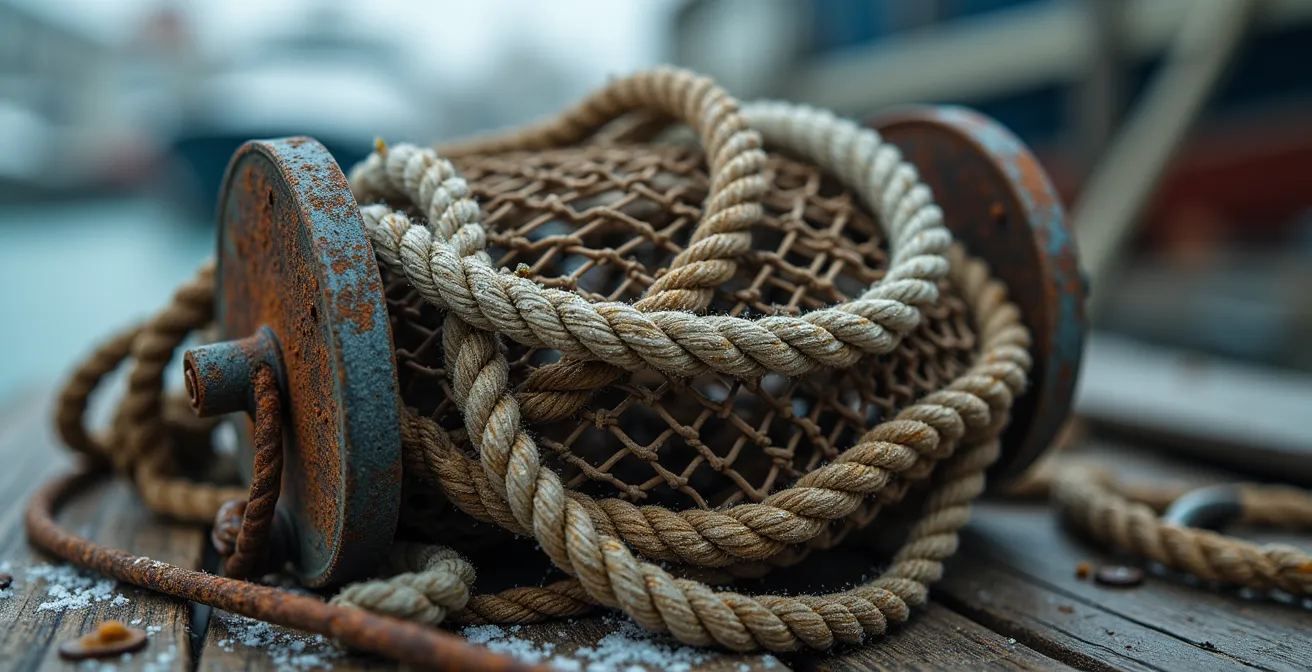
A scallop dragger, on the other hand, is all about brute force. It’s designed to drag a heavy steel dredge across the ocean floor. Look towards the stern (the back) of the boat. You’ll see a massive A-frame gantry and a powerful winch system. The deck will be cluttered with sorting tables and shucking stations, because much of the work happens right on board. Instead of neat stacks of traps, you’ll see heavy chains, steel cables, and the formidable dredge itself. The sound is different, too—a deep, groaning groan from the winch as it hauls the heavy gear from the depths. By learning these simple visual cues, you’re no longer just a tourist; you’re an informed observer who understands the function behind the form.
Working Port or Souvenir Strip: Where to Find the Authentic Salty Air?
Not all harbours are created equal. Some have been polished and packaged for you, the visitor. Others remain what they’ve always been: gritty, functional, and unapologetically real. The trick is knowing how to spot the difference between a genuine working port and a waterfront that’s become a souvenir strip with a harbour view. One smells of bait and diesel; the other smells of waffle cones and sunscreen. Both have their place, but only one offers a window into our authentic life.
A true working wharf is a place of industry. The infrastructure tells the story. Look for large, windowless buildings—those are the bait freezers and ice sheds. You’ll see forklifts, transport trucks, and piles of gear, not manicured flower beds. The boats tied up are commercial vessels, showing the wear and tear of a hard life at sea. The “peak hours” here are brutal, often starting well before sunrise. The air is filled with the sounds of engines, machinery, and the unfiltered language of men and women at work. There are no cute signs, no boardwalks, just functional, often treacherous, pavement and planks.
A tourist harbour, by contrast, is designed for your comfort and consumption. The prime real estate is occupied by gift shops, restaurants with patios, and ice cream parlours. The “boats” are often tour boats or pristine pleasure craft. The atmosphere is relaxed, the ground is clean, and the busiest hours are from mid-morning to dinner time. It’s a pleasant place to spend an afternoon, but it’s a curated experience. It’s a picture of a fishing village, not the real thing.
To find the authentic salty air, you often have to walk just a few hundred yards away from the main tourist drag. Look for the side piers, the industrial docks, the places where the real work of loading, unloading, and maintenance happens. Here is a simple breakdown to help you tell them apart:
| Feature | Working Wharf | Tourist Harbor |
|---|---|---|
| Main Activity | Active fishing operations | Gift shops & restaurants |
| Peak Hours | 3:30-4:30 AM departures | 10 AM – 6 PM tourist hours |
| Key Infrastructure | Bait freezers, ice sheds, industrial trucks | Boutiques, ice cream parlours, boardwalks |
| Vessel Types | Commercial fishing boats, draggers | Tour boats, pleasure craft |
Choosing the working port means choosing observation over interaction. It means being a quiet witness to a culture in motion, and that’s a far more valuable souvenir than anything you can buy in a shop.
The Footwear Mistake That Leads to Accidents on Slimy Timbers
This may be the most important piece of advice I can give you: a working wharf is trying to kill you. Not actively, of course, but it’s an environment of constant, changing hazards. The ground beneath your feet is a minefield of ropes, gear, fish guts, diesel slicks, and a permanent layer of sea-slime on the timbers that is slipperier than black ice. The single biggest mistake a visitor makes is wearing the wrong footwear, and it’s the quickest way to get hurt and, more importantly, get in the way.
You might think your sturdy hiking boots are a good choice. They’re not. The deep lugs on a hiking boot are designed for dirt and rock; on a wet, algae-covered plank, they reduce surface contact and act like skates. The right choice, the one every single person working on a wharf wears, is a pair of soft-soled, knee-high rubber boots. Brands like Viking or Baffin are standard issue. The soles often have tiny slits, called sipes, designed to squeegee water away and grip a wet surface. They provide maximum surface contact and protect you from the constant slosh of fishy water.
Beyond footwear, it’s about how you move. You need to develop your “sea legs” on solid ground. As the local wisdom goes, you must learn to be constantly aware of your surroundings. A piece of advice passed down through generations is simple but critical:
Never walk backwards on a wharf. The ground is an ever-changing obstacle course of ropes, gear, and grates you won’t see coming.
– Local Nova Scotia fishermen, Maritime Safety Guidelines
This isn’t just about your safety; it’s about not becoming a liability. If you slip and fall, you’ve just stopped all work around you. You’ve become the center of attention for all the wrong reasons. Respect the wharf as the dangerous workplace it is, and you’ll be taking the first step towards being a welcome presence.
Your Wharf Safety Checklist: Staying Upright and Out of the Way
- Footwear Check: Ditch the hiking boots and sneakers. Opt for soft, siped, non-slip rubber boots for maximum grip on slimy surfaces.
- Awareness Protocol: Always look where you are stepping. Scan constantly for trip hazards like rope coils, misplaced gear, and uneven dock grates.
- Movement Rule: Never walk backwards. Always face your direction of travel to see obstacles before you’re on top of them.
- Clearance Zone: Give machinery like forklifts and trucks a wide berth. Assume the operator cannot see you.
- Respect Boundaries: Do not board any vessel unless you are explicitly invited by the captain. A boat is private property and a worksite.
When to Be at the Dock to Buy Fresh Seafood Directly From the Boat?
There’s nothing quite like buying seafood so fresh it was swimming just hours before. It’s one of the true rewards for seeking out an authentic wharf experience. But it’s not like going to a supermarket. There’s no posted schedule, no customer service desk. A dockside sale is a transaction based on timing, opportunity, and a bit of unspoken etiquette. You can’t just show up and expect to be served; you have to understand the working rhythm of the boats.
The day starts brutally early. For lobster fishing, for instance, it’s common that the boat will leave the wharf between 3:30 AM to 4:30 AM. Showing up at 9 AM expecting to see boats departing is a fool’s errand. The real action is in the pre-dawn darkness. The return time is less predictable. Lobster boats often return mid-day, while groundfish boats (fishing for haddock, halibut, etc.) are more dependent on the tides. The best strategy is to observe. Spend a day watching a particular wharf from a respectful distance to learn its specific pulse.
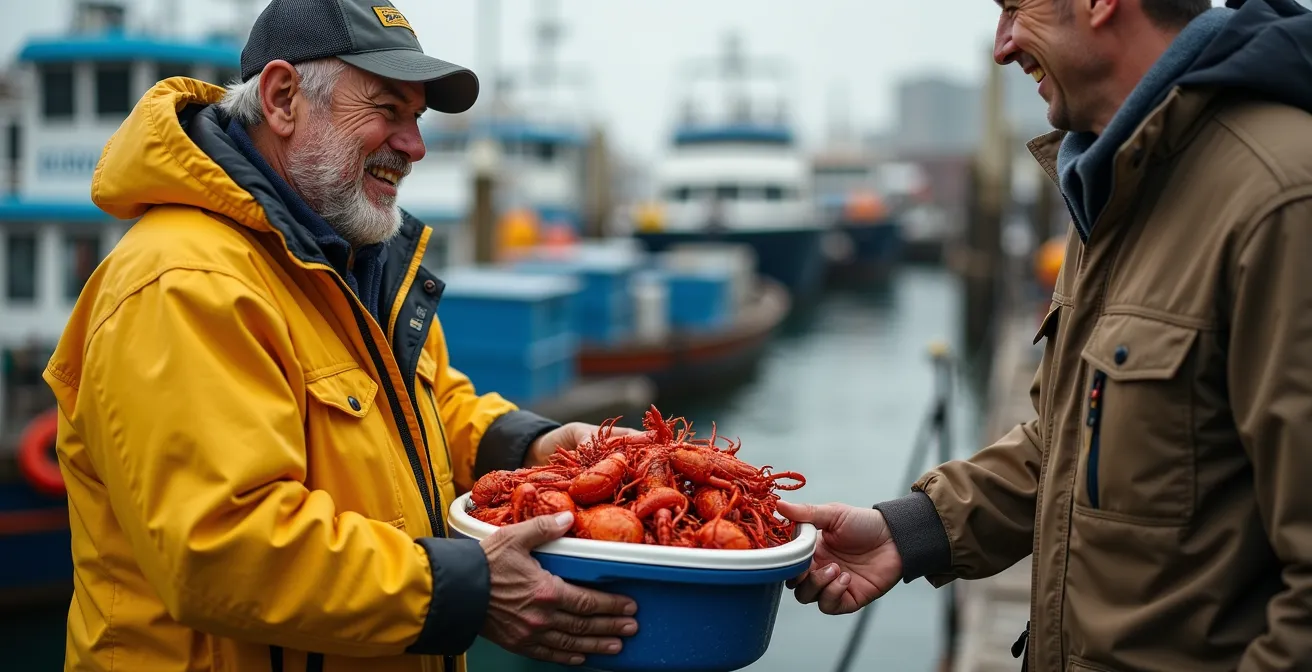
When a boat is tied up and unloading, that is not the time to approach. This is the most intense part of their day. They are sorting the catch, weighing it, and getting it onto trucks for the processor. Interrupting them is the worst thing you can do. The opportunity for a public sale happens only if they have extra catch after their commercial obligations are met, and only if they are set up for it. Look for a simple sign or a crew member who is clearly designated to handle sales. If you see that, then you can approach, but be prepared. Have cash ready, bring your own cooler and bag, and know what you want. Be quick, be polite, and if they say no or wave you off, accept it without argument. They are not being rude; they are working. Earning the right to buy direct means respecting their time and priorities above all else.
PEI National Park or New Brunswick Coast: Which Offers Better Cliffside Views?
Now, I’m a Nova Scotian through and through, and our coastline is second to none. But our neighbours in Prince Edward Island and New Brunswick have their own rugged beauty, and it’s worth knowing the difference if you’re exploring the Maritimes. They offer two completely different coastal experiences, each shaped by its unique geology and culture. One is gentle and pastoral, the other is dramatic and powerful.
Prince Edward Island is all about soft, red sandstone cliffs. It’s a living, eroding coastline. The PEI National Park showcases this best, with rolling green fields suddenly dropping off into the sea. It’s a landscape tied to agriculture and, of course, the romantic imagery of Anne of Green Gables. The beauty here is soft, best captured in the golden hour light when the red cliffs glow. It’s a peaceful, almost fragile kind of beauty. It feels like the land is gently giving itself to the sea.
New Brunswick, on the other hand, is defined by the raw power of the Bay of Fundy. The coastline here is made of ancient, rugged rock formations that stand against the highest tides in the world. The experience is one of dramatic contrast—at low tide, you can walk on the ocean floor, and hours later, the same spot is under 50 feet of water. This is a coast forged by the sea, tied to a history of shipbuilding and Loyalist heritage. It’s all about dramatic, powerful vistas that speak to the force of nature.
So which is better? It’s like asking if a dory is better than a schooner. They’re built for different purposes. Do you want the serene, pastoral beauty of a crumbling sandstone shore, or the awesome, dramatic power of the world’s highest tides carving up ancient rock? The choice depends on the feeling you’re chasing.
| Feature | PEI National Park | New Brunswick Coast |
|---|---|---|
| Geology Type | Fragile eroding sandstone (living geology) | Ancient rugged rock formations |
| Main Attraction | Red cliffs with pastoral scenes | Bay of Fundy’s highest tides |
| Cultural Connection | Agriculture & Anne of Green Gables | Shipbuilding & loyalist heritage |
| Best for Photography | Soft golden-hour light | Dramatic tidal contrasts |
Why Is Fresh Lobster Available in Different Zones at Different Times?
A common question I hear from visitors is, “Is the lobster fresh?” The answer in Nova Scotia is always yes, but the reason you can get it year-round is a testament to one of the most carefully managed fisheries in the world. It’s not just one big, open season. The waters around the province are divided into dozens of Lobster Fishing Areas (LFAs), and each has its own strictly regulated season. This system is the cornerstone of our lobster industry’s sustainability and success.
The purpose of these staggered seasons is to protect the lobsters. The seasons are set to avoid fishing when the lobsters are moulting (shedding their shells to grow), as they are soft, vulnerable, and have less meat. It also protects them during their spawning cycles. This isn’t just good for the lobsters; it ensures that the catch is of the highest quality—hard-shelled and full of meat. The Department of Fisheries and Oceans (DFO) sets these seasons based on decades of scientific research.
My home turf, the South Shore (LFAs 33 and 34), has its season from the last Monday in November to the end of May. This is the largest and most lucrative lobster fishery in the country. In fact, it’s staggering to realize that lobsters caught in this region make up for 40% of all lobsters caught in Canada. We fish through the most treacherous winter weather on the North Atlantic, and it’s a point of pride. When our season closes, others open up along the coast, like in the Bay of Fundy or near Cape Breton. This intricate patchwork of seasons ensures a steady supply of fresh, high-quality lobster to the market, and more importantly, it ensures the lobster population remains healthy for generations to come. It’s a delicate balance of conservation and commerce, and it’s a system we protect fiercely.
Case Study: The South Shore Winter Fishery
The lobster season in Fishing Areas 33 and 34, along Nova Scotia’s South Shore, is a perfect example of this management system. While the official season runs from the end of November to May 31st, it defines the region’s economy and culture year-round. Fishermen in this area face the ‘most treacherous of seas, extreme temperatures and unkind weather’ to bring in the catch. This winter fishery is a hallmark of the Nova Scotian identity, demonstrating the resilience and toughness required to work on the North Atlantic during its harshest months. The high value of this catch is a direct result of fishing the lobsters when they are at their hard-shelled best.
Key Takeaways
- A wharf is a worksite, not a museum. Your safety and awareness are your responsibility.
- The history of the cod collapse deeply shapes the culture; understanding it is a sign of respect.
- Authenticity is earned by being a quiet observer, learning the rhythms, and following the unspoken rules of wharf etiquette.
How to Eat a Whole Lobster Like a Local Without Making a Mess?
You’ve done it. You’ve been a respectful observer, you’ve maybe even bought a fresh lobster right from the boat. Now comes the final test: eating it. A whole boiled lobster can be intimidating. Many visitors either drown it in butter, make a huge mess, or leave half the best meat behind. Eating a lobster like a local isn’t about being dainty; it’s about being efficient and appreciating every last bit of what the ocean gave you. Forget the fancy crackers and tiny forks for a minute; your best tools are your hands.
First, the claws. Don’t just smash them. Grab the claw and the “knuckle” section connecting it to the body. Twist them apart. Then, for the claw itself, use the Maritime Twist: hold the claw shell and twist it against itself. If you do it right, it will break cleanly without sending shell fragments flying. The real prize is the tail. Twist the tail away from the body. You’ll see some green stuff, the tomalley (liver), and if it’s a female, maybe some red stuff, the roe. Don’t discard it! Mix a little with the meat; it’s a delicacy full of rich flavour.
To get the tail meat out, crack the shell by squeezing it until it breaks, or use a cracker if you must. The meat should pull out in one glorious piece. Don’t forget the small legs; you can suck the meat and brine right out of them. And a final pro tip: ask for a bag to take the shells home. They make an incredible seafood stock for chowder. This isn’t just about eating; it’s about honouring the catch by wasting nothing. One final piece of critical advice comes from Chef Scott Yourden, a man who knows his lobster:
If you are cooking a lobster at home, be sure to remove the rubber bands from the claws before dropping the lobster in the pot, or your lobster will taste like rubber. To do so without injury, use one hand to hold the lobster with the lobster claws crisscrossed and the other to remove the bands.
– Chef Scott Yourden, Follow The Piper – Nova Scotia Lobster Experience
Following these steps, you’ll not only get more meat out of your lobster, but you’ll also earn a nod of approval from any local watching. You’ll be eating like someone who gets it.
By shifting your perspective from that of a simple tourist to a respectful and informed observer, you gain access to a world that most visitors miss entirely. You experience the real, living culture of the Maritimes, not just the postcard version.
Frequently Asked Questions on a Working Nova Scotia Wharf
What should I check before approaching fishermen for seafood?
First, do your homework. Verify the official Department of Fisheries and Oceans (DFO) website for open Lobster Fishing Areas (LFAs) and their current seasons. This ensures you know what’s legally available for sale and shows you’ve made an effort to understand the regulations we live by.
What’s the proper protocol for a dockside sale?
Patience and preparation are key. Only approach a boat if they are clearly set up to sell to the public. Do not interrupt them while they are unloading their main catch. Have cash in hand, as they won’t be taking cards. Bring your own cooler and bag to transport your purchase. Most importantly, be fully prepared for them to say no if they are too busy or don’t have extra catch. A polite nod and walking away is the correct response.
When do boats typically return with their catch?
It varies. Lobster boats often return mid-day after leaving before dawn. However, groundfish boats are highly dependent on the tides, so their schedules can change daily. The best approach is to become an observer. Spend some time watching the local patterns over a day or two from a distance to get a feel for the rhythm of that specific wharf.