
In summary:
- Understand Quebec’s unique raw milk cheese laws to taste products unavailable in the US.
- Master the “Squeak Standard” by seeking out room-temperature cheese curds directly from the fromagerie.
- Adopt the “Rolling Cellar” method with a two-cooler system to protect your cheese haul from temperature damage.
- Plan your itinerary around terroir and palate, not just geography, by exploring the artisanal Économusée network.
The dream of a Quebec cheese tour often starts with a single, perfect image: a creamy, pungent wedge of artisanal cheese enjoyed with a view of the rolling Eastern Townships. Many guides will give you a simple list of fromageries to visit, and the most common advice is simply to “bring a cooler.” While well-intentioned, this barely scratches the surface. This approach often leads to melted treasures, a fatigued palate, and a missed opportunity to truly connect with the soul of Quebec’s cheese-making tradition. You might visit the right places but have the wrong experience.
But what if the secret to the ultimate cheese road trip wasn’t just about *where* you go, but *how* you go? What if the key wasn’t the destination list, but the logistical mastery of a professional cheesemonger? The real magic lies in transforming your car into a “rolling cellar,” understanding the rhythm of a tasting day, and timing your visit to intersect with the peak of seasonal flavour. This is about more than just buying cheese; it’s about curating a mobile collection of terroir-driven art, ensuring every piece you bring home is as perfect as the moment you first tasted it.
This guide is built on that professional philosophy. We will explore the unique legal landscape that makes Quebec a raw milk paradise for American visitors. We will teach you to discern freshness by sound, structure your tour for maximum discovery, and protect your precious haul with precision. Finally, we’ll expand our journey to the perfect wine and food pairings that complete the Quebecois culinary tableau. Get ready to plan a road trip that goes beyond the map and deep into the heart of the cheese.
To help you navigate this flavourful journey, this guide is structured to answer your most pressing questions, from legal nuances and tasting techniques to logistical planning and culinary discoveries. Explore the sections below to build your perfect itinerary.
Summary: Your Expert Itinerary for the Route des Fromages
- Why does Quebec produce raw milk cheeses that are illegal in the US?
- How to test the freshness of poutine cheese curds by the sound they make?
- Industrial prowess or artisanal tradition: which region offers better tasting tours?
- The storage mistake that melts your cheese haul in a hot car trunk
- When to visit Victoriaville to sample the widest variety of cheeses in one place?
- When to book an orchard stay to participate in apple or grape harvesting?
- Limestone mineral or desert heat: which region produces the Pinot Noir you prefer?
- How to find authentic regional foods beyond poutine and maple syrup?
Why does Quebec produce raw milk cheeses that are illegal in the US?
The secret that makes Quebec a pilgrimage site for American cheese lovers lies in a fascinating piece of food legislation. While the US FDA rigidly requires all imported raw milk cheeses to be aged for a minimum of 60 days, Quebec operates under a more nuanced, European-style framework. This regulatory difference is the key to unlocking a world of flavour unavailable back home. A landmark decision changed everything for local cheesemakers and international connoisseurs; a study notes that Quebec passed legislation in 2008 that allows the production and sale of soft and semi-soft raw milk cheeses aged for *less* than 60 days. This creates a legal haven for young, vibrant cheeses with complex, unpasteurized character.
This policy, born from a deep respect for artisanal tradition, allows the unique microbial terroir of a farm to express itself fully in the cheese. The result is a stunning array of creamy, gooey, and pungent creations that would be filtered out by pasteurization. As explained by food scientists at McGill University, this opens the door to tasting cheeses at their intended peak.
Quebec, contrary to the rest of Canada and most U.S. states, now allows soft cheeses like Brie and Camembert made from unpasteurized milk to be sold without the 60 day requirement.
– McGill University Office for Science and Society, McGill University health advisory
For the American tourist, this is a golden opportunity for “regulatory arbitrage.” You can legally enjoy these cheeses within Quebec’s borders, even if you can’t bring them home. When shopping, look for labels that proudly declare ‘au lait cru’ (made from raw milk). However, if you plan to bring cheese back to the US, you must be a savvy shopper. Here’s how to navigate the border legally:
- Check Aging Requirements: Hard cheeses aged over 60 days, like the magnificent 1608 de Charlevoix, are perfectly legal to transport to the US.
- Avoid Fresh Soft Cheeses: That incredible, young raw milk goat cheese or fresh brie aged under 60 days is for Canada-only consumption. Enjoy it while you’re here!
- Read Labels Carefully: Many artisans label their products clearly to appeal to connoisseurs, making it easier to distinguish between what you can take and what you must eat on the spot.
This unique access to a spectrum of flavours is the foundational reason why a road trip here is unlike any other in North America.
How to test the freshness of poutine cheese curds by the sound they make?
In Quebec, cheese curds are not just an ingredient; they are a cultural icon, and their quality is judged by a single, delightful sensory test: the sound. The signature ‘skouik-skouik’ is the ultimate seal of approval, an audible confirmation of absolute freshness. This sound is not a gimmick; it’s a direct result of the cheese’s science. Fresh curds possess a tightly woven, elastic network of casein proteins. When you bite into a curd at the right temperature, these protein strands rub against your tooth enamel, producing the famous squeak. This property is fleeting, a testament to the curd’s youth.
The squeak begins to fade within 24 to 48 hours of production as rising acidity breaks down the protein structure. Refrigeration is the enemy of the squeak, as the cold temperature seizes up the proteins. This is why true connoisseurs know that the best curds are always found at room temperature, ideally straight from the vat. This is “The Squeak Standard”—a non-negotiable benchmark for any serious cheese tourist. The famed Fromagerie des Basques in Trois-Pistoles, for example, has built its reputation on delivering squeaky curds fresh daily, understanding that maintaining them at room temperature is essential for preserving the sound.
To ensure you’re getting the freshest possible product, you must become a “Squeak-Seeker.” Follow this simple guide:
- Perform the Bite Test: The most crucial step. A fresh curd must produce an audible ‘skouik’ when bitten. No sound means it’s past its prime.
- Check the Temperature: Curds must be at room temperature. If they are cold from a fridge, the squeak will be gone (though it can sometimes be briefly revived by letting them warm up).
- Buy Directly from Fromageries: Producers like Fromagerie St-Guillaume have a constant production cycle, meaning you are getting curds mere hours old. This is your best bet for maximum freshness.
- Test Within the Window: Consume your curds the day you buy them. The squeak is a mayfly in the world of cheese—here today, gone tomorrow.
While pan-frying curds until golden is a delicious alternative, nothing beats the pure, unadulterated joy of a fresh, squeaky curd.
Industrial prowess or artisanal tradition: which region offers better tasting tours?
When planning a cheese tour in Central Canada, you’re faced with a delicious choice between two distinct philosophies: the British-inspired cheddar heritage of Ontario and the French-influenced artisanal scene of Quebec. While Ontario’s Oxford County Cheese Trail offers fantastic educational tours at larger facilities, for the foodie seeking unique terroir and intimate experiences, Quebec’s network of small-scale fromageries is unparalleled. The province has cultivated a culture that celebrates the artisan over the industrial, making it the superior choice for a discovery-focused road trip.
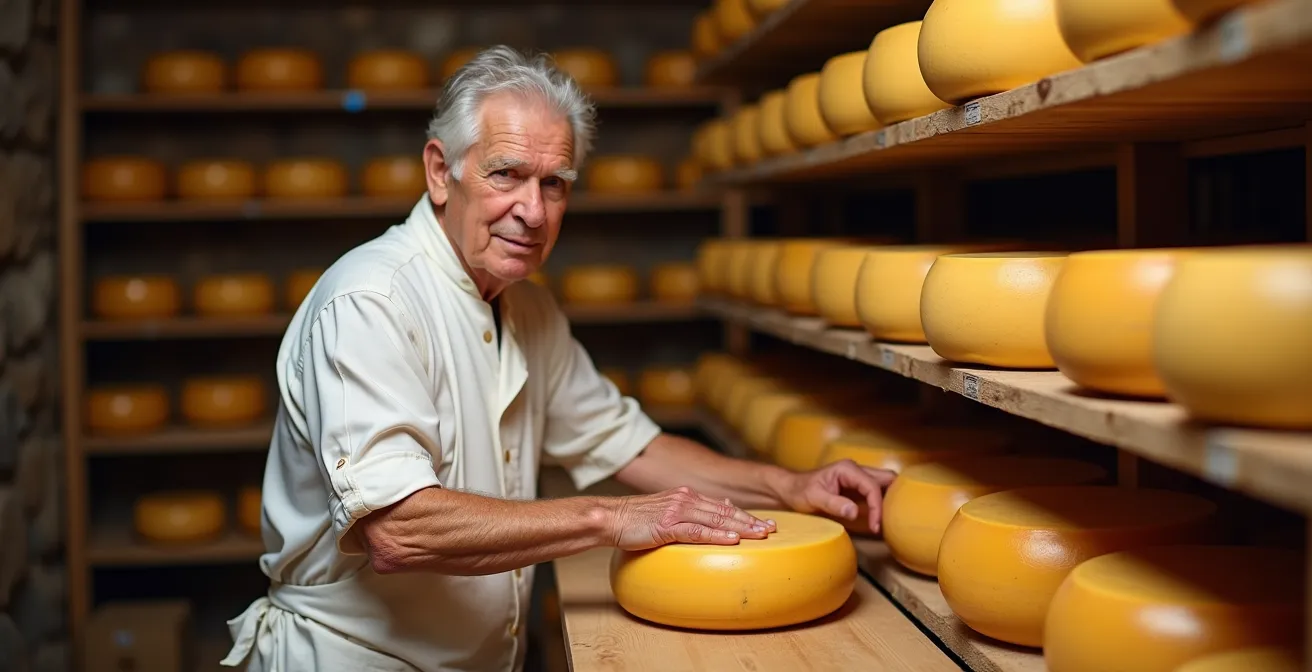
This focus on artisanship is deeply embedded in Quebec’s identity. The landscape is dotted with small family farms where cheesemaking is a multi-generational craft, not a factory process. To find these hidden gems, the key is to look for the Économusée network. As Destination Canada highlights, this is a government-certified system for finding authentic artisans who open their workshops to the public. Visiting an Économusée isn’t just a tasting; it’s an invitation into the cheesemaker’s world, where you can see the process, learn the history, and understand the passion behind the product.
The difference in approach between the two provinces is stark. A tour in Quebec feels less like a tour and more like a personal visit. This comparison shows why Quebec edges out for the connoisseur:
| Aspect | Quebec Artisanal Scene | Ontario Heritage Tours |
|---|---|---|
| Style | French-inspired small farms | British cheddar tradition |
| Best For | Foodies seeking unique terroir | Families wanting education |
| Example Route | Eastern Townships circuit | Oxford County Cheese Trail |
| Tour Type | Intimate farm visits | Large-scale production tours |
| Unique Feature | Économusée network | 24 stops including 3 producers |
By prioritizing these smaller, passion-driven producers, your road trip becomes a series of authentic stories, each with its own unique taste of place.
The storage mistake that melts your cheese haul in a hot car trunk
The single greatest tragedy of a cheese road trip is arriving home to discover your carefully curated collection has transformed into a sad, sweaty, and melted mess in the trunk. The common advice—”bring a cooler”—is dangerously incomplete. The crucial mistake most people make is treating all cheeses the same, tossing delicate bries and hardy cheddars into a single, ice-cold container. This kills flavour, ruins texture, and is the sworn enemy of a good cheese. To succeed, you must adopt a professional mindset and create a “Rolling Cellar” in your vehicle.
This system recognizes that different cheeses have different needs. The temperature fluctuations during Quebec’s peak touring months, from May to October, demand a strategic approach. A hot car can quickly destroy the delicate structure of artisanal cheese from producers like Fromagerie La Station in the Eastern Townships. The solution is not one cooler, but two. This is the cornerstone of the “Double Cooler Canadian Pro System,” a method used by seasoned cheese travelers to protect their investments.
The system is elegantly simple and ensures each cheese is kept in its optimal environment:
- The Deep Storage Cooler: A hard-sided cooler with solid ice packs (frozen water bottles work best) is for your vacuum-sealed, long-term haul. This is for the cheeses you won’t touch until you get home.
- The Day Cooler: A smaller, soft-sided cooler with a gentler cool pack is your “ready-to-eat” zone. This cooler maintains cheeses at a proper cellar temperature (10-14°C), not ice-cold, making them perfect for impromptu picnics and daily tastings.
Beyond the two-cooler system, proper handling is key. Never use plastic wrap, which suffocates cheese. Instead, use breathable cheese paper or wax paper. For multi-day trips, it’s wise to “burp” your cheese daily by briefly opening the wrapping to release excess moisture and prevent off-flavours from developing.
Your Pre-Departure Audit: 5-Point Plan for a Flawless Cheese Route
- Touchpoints: List all planned fromageries, markets, and restaurants. Are they geographically clustered for efficient travel?
- Inventory: Review your “Rolling Cellar” setup. Do you have two distinct coolers, proper cheese paper, and solid ice packs ready to go?
- Coherence: Does your daily itinerary align with a “Palate Pacing” strategy, moving from mild, fresh cheeses to more robust, aged varieties?
- Memorability: Have you scheduled downtime or a visit to an Économusée for an authentic cultural experience beyond just consumption?
- Integration Plan: Map your final route on a digital or physical map. Have you confirmed opening hours and booked any essential tours in advance?
Proper storage is not an afterthought; it is the fundamental technique that guarantees your delicious memories make it home intact.
When to visit Victoriaville to sample the widest variety of cheeses in one place?
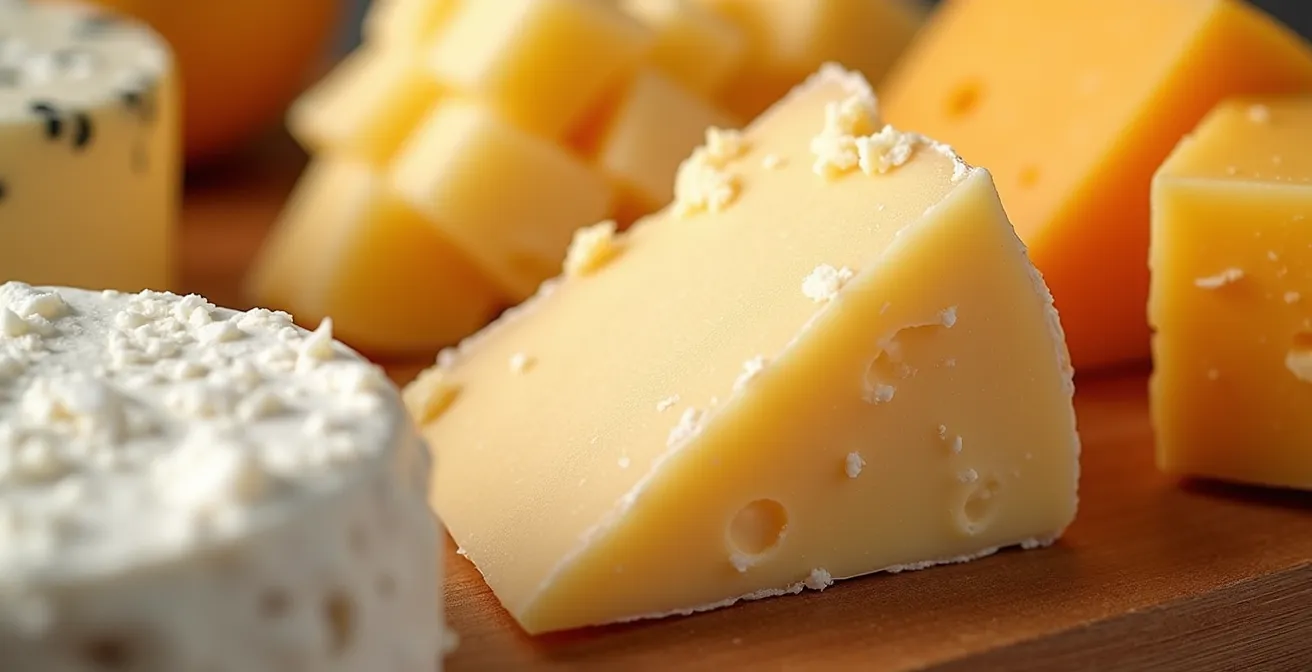
For any cheese lover, the ultimate experience is to have the entire province’s cheese scene laid out before them, a veritable library of flavours to explore. While individual fromageries offer depth, there is one annual event that offers breathtaking breadth: the Festival des Fromagers Artisans du Québec. While its location travels from cheesemaker to cheesemaker each year, when it is held in the Centre-du-Québec region, particularly near its hub of Victoriaville, it becomes the undisputed epicentre of Quebec cheese. Planning your visit to coincide with this festival, typically held in June, is the single best way to sample the widest variety of cheeses in one place.
This festival is the premier gathering of the province’s top artisans, attracting upwards of 10,000 enthusiasts. It’s an opportunity to meet the makers, from established masters to rising stars, and to taste their creations side-by-side. You can sample cheeses that have just won the prestigious Caseus awards and discover limited-run products you’d never find otherwise. When the festival is hosted by a renowned producer like Fromagerie du Presbytère near Victoriaville, the experience is even more special.
To make the most of this cheese paradise, a strategic approach is essential, as palate fatigue is a real risk. A savvy visitor’s plan includes:
- Arrive Early: Get there on Friday to chat with cheesemakers before the large weekend crowds descend.
- Target Award Winners: Make a beeline for the booths of recent Caseus award winners. These are often the most innovative and highest-quality cheeses at the show.
- Document Everything: Bring a notepad or use a tasting app. After the tenth cheese, your memory will start to blur. Notes on flavour, texture, and producer are invaluable.
If your trip doesn’t align with the festival dates, Victoriaville remains a strategic cheese hub year-round. The iconic La Fromagerie Victoria offers an excellent selection of local products any time you visit. The Centre-du-Québec region’s central location makes it a perfect base for exploring in any season.
Whether you hit the festival or just use the town as a base, Victoriaville is a mandatory stop for anyone serious about sampling the full spectrum of Quebec cheese.
When to book an orchard stay to participate in apple or grape harvesting?
A truly memorable cheese road trip engages all the senses and embraces the full agricultural rhythm of a region. To elevate your journey beyond the fromagerie, consider timing your visit to coincide with Quebec’s vibrant orchard and vineyard harvests. This offers the perfect opportunity for “palate pacing,” breaking up rich cheese tastings with the crisp, acidic brightness of freshly picked apples or cool-climate wines. The key is to align your travel dates with the specific harvest season you wish to experience.
The agricultural calendar of Quebec offers distinct windows for these activities. While cheese pairing tours are available year-round, the hands-on harvest experiences are highly seasonal. A stay in the Montérégie or Eastern Townships, both prime cheese and fruit regions, can be timed perfectly using this calendar.
| Activity | Season | Duration | Best Regions |
|---|---|---|---|
| U-Pick Apples | Late August-October | Casual day activity | Montérégie, Eastern Townships |
| Grape Harvest (Vendanges) | Late Sept/Early Oct | Specific weekends only | Dunham, Eastern Townships |
| Ice Cider Harvest | January-February | Winter experience | Montérégie Route des Cidres |
| Cheese Pairing Tours | Year-round | Half or full day | All cheese regions |
The most accessible and flexible option is apple picking, which runs from late summer into the peak of fall foliage. This pairs beautifully with aged cheddars and blues. For a more unique experience, consider the world-renowned ice cider. As detailed in a Quebec wine and cheese road trip guide, the Montérégie region’s “Route des Cidres” is home to internationally awarded producers like Cidrerie Michel Jodoin and La Face Cachée de la Pomme. While the actual harvest of frozen apples happens in the dead of winter (January-February), a fall visit allows you to taste the previous year’s vintage alongside the apple harvest.
For wine lovers, the grape harvest, or *vendanges*, is a magical, fleeting event in late September or early October. Booking a stay near a vineyard in the Dunham area of the Eastern Townships during these specific weekends can offer an unforgettable experience, pairing freshly harvested grapes with local goat cheese.
This thoughtful timing transforms a simple food tour into a deep dive into Quebec’s complete agricultural terroir.
Limestone mineral or desert heat: which region produces the Pinot Noir you prefer?
While Quebec’s climate is challenging for viticulture, its winemakers are producing increasingly compelling cool-climate wines that pair beautifully with local cheeses. However, to truly understand the wine you’re pairing, it’s helpful to look at the broader context of Central Canadian terroir, especially when it comes to a finicky grape like Pinot Noir. The flavour profile of a wine is a direct reflection of its soil and climate, a principle that becomes clear when comparing the limestone-driven wines of Ontario’s Prince Edward County (PEC) with the richer styles from Niagara.
The difference is in the ground. PEC’s terroir is dominated by limestone bedrock, similar to that of Burgundy, France. This soil imparts a distinct minerality, elegance, and bright acidity to its Pinot Noirs, making them a perfect, high-acid counterpoint to creamy, fatty Quebec cheeses like Camembert or Brie. Niagara’s clay loam soils, by contrast, produce a richer, fruitier, and more full-bodied style of Pinot Noir. This choice between mineral-driven and fruit-driven is the core of finding your preferred pairing.
Quebec itself is a different story. Many vineyards, like Vignoble de l’Orpailleur in the Eastern Townships, have a rich history rooted in French tradition. As owner Jean-Paul Scieur explained in a guide to the region’s foodie road trips, his family brought their Champagne-region expertise to Quebec. Here, winemakers often work with cold-hardy hybrid grapes like Frontenac Noir, which are bred to survive the harsh winters. These grapes produce robust, rustic red wines that stand up well to the intense flavours of aged Quebec cheeses.
| Region | Soil Type | Pinot Noir/Red Profile | Cheese Pairing |
|---|---|---|---|
| Niagara | Clay Loam | Richer, fruitier | Quebec Camembert |
| Prince Edward County | Limestone Bedrock | Mineral, Burgundian | Fifth Town aged cheese |
| Quebec | Various | Cold-hardy hybrid (e.g. Frontenac Noir) | Local artisanal varieties |
Your preference between a mineral-driven Pinot Noir from PEC or a rustic Frontenac Noir from Quebec will guide you to your perfect cheese and wine harmony.
Key Takeaways
- Master Logistics First: A successful cheese trip is 90% logistics. Prioritize your “Rolling Cellar” setup and route planning before you even think about which fromagerie to visit first.
- Freshness is Paramount: The ultimate Quebec cheese experience, from the squeak of a curd to the bloom on a brie, is tied to freshness. Always buy direct and consume quickly for the best taste.
- Embrace the Terroir: The best tours are organized by style and region (terroir), not just by dots on a map. Use tools like the Économusée network to find authentic artisans and plan thematic tasting days.
How to find authentic regional foods beyond poutine and maple syrup?
A successful Quebec road trip is a deep dive into its culinary soul, which extends far beyond the famous duo of poutine and maple syrup. To truly eat like a local, you must explore the comforting, rustic dishes of ‘le terroir Québécois’. These are the foods of grandmothers’ kitchens and sugar shacks, dishes with deep historical roots that tell the story of the province’s culture and climate. Finding them requires looking past the tourist traps and seeking out local bistros, public markets, and, once again, the invaluable Économusée network, which also certifies artisans in other food crafts.
Your culinary treasure map should include a glossary of these essential dishes. Each region has its own specialty, a unique twist on a classic recipe that reflects its local ingredients and history. For example, the Tourtière du Lac-Saint-Jean is a world away from the shallower meat pies found elsewhere in the province; it’s a deep-dish, slow-cooked marvel of cubed meats and potatoes. Similarly, *cretons*, a spiced pork spread, is a breakfast staple that offers a savoury counterpoint to the sweetness of maple.
Here is a short culinary glossary to guide your explorations:
- Tourtière du Lac-Saint-Jean: A deep-dish meat pie with cubed pork, beef, and potatoes, unique to the Saguenay region. A must-try.
- Pâté Chinois: Quebec’s beloved version of shepherd’s pie, distinguished by its mandatory layer of creamed corn between the ground beef and mashed potatoes.
- Fèves au lard: Traditional baked beans, slow-cooked with lard and richly seasoned with maple syrup. A classic sugar shack delicacy.
- Cretons: A rustic, spiced pork spread (similar to French rillettes) served cold on toast, typically for breakfast.
- Têtes de violon (Fiddleheads): The coiled fronds of a young fern, available only for a short window in the spring. Sautéed in butter, they taste like a mix of asparagus and green bean.
- Cerises de terre (Ground Cherries): A fall specialty, these small, sweet-tart fruits in a papery husk are often made into jams or used in desserts.
Begin mapping your culinary journey today, plotting not just fromageries but also the bakeries, markets, and bistros that will offer you a true and complete taste of Quebec.