
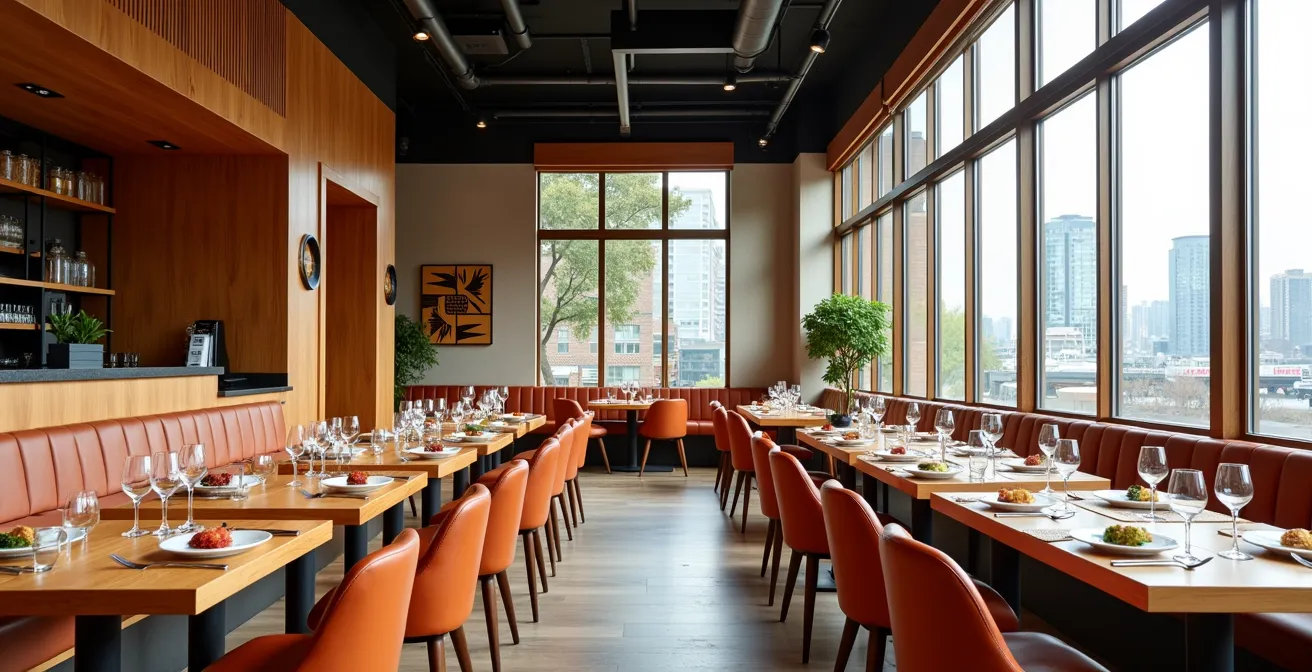
Exploring modern Indigenous food in Canada is about more than just a meal; it’s an active engagement with urban cultural reclamation and culinary sovereignty.
- Innovative dishes like bannock burgers and smoked salmon are transforming ancestral ingredients into contemporary culinary art.
- Authenticity is key: learning to verify Indigenous artists and businesses ensures your support is meaningful and respectful.
Recommendation: Move beyond basic tourism and approach your next meal or art purchase with intention, seeking the stories and traditions behind the craft.
For the discerning foodie and culture seeker, the Canadian urban landscape offers a revelation: Indigenous culture is not a relic of the past. It is a vibrant, evolving force, and nowhere is this more deliciously apparent than on the plate. While many guides might point you toward traditional experiences, they often miss the dynamic pulse of what’s happening right now in cities like Vancouver and Toronto. They talk about history, but they forget to mention the future being written in kitchens, galleries, and public squares.
The common advice to simply “support Indigenous businesses” is well-intentioned but incomplete. It fails to equip you with the knowledge to navigate this space respectfully and meaningfully. The real journey lies in understanding the context—the story of resilience behind a piece of frybread, the deep connection to the land in a plate of West Coast salmon, and the entrepreneurial spirit driving a new generation of Indigenous creators. This isn’t about consuming a culture; it’s about engaging with it.
But what if the key to this engagement wasn’t just knowing *what* to eat, but *why* it matters? This guide moves beyond a simple list of restaurants. Our guiding principle is that every dish and every piece of art is an expression of culinary sovereignty and living heritage. We’ll explore the palate, but also the politics and passion that fuel this modern renaissance. We will delve into how to spend your dollar ethically, how to differentiate regional culinary philosophies, and how to see Indigenous culture as it truly is: contemporary, innovative, and profoundly alive in the heart of Canada’s biggest cities.
This article provides a detailed roadmap for navigating the modern Indigenous cultural scenes of Vancouver and Toronto. The following sections will guide you through the flavours, the art, and the essential etiquette for a truly enriching experience.
Summary: A Guide to Modern Indigenous Culture in Vancouver and Toronto
- How has traditional frybread been adapted into a modern street food staple?
- How to buy mukluks or jewelry from verified Indigenous designers like Manitobah Mukluks?
- West Coast seafood or Boreal game: which culinary region suits your palate?
- The ignorance error of assuming all Indigenous people live in rural poverty
- When to visit city squares to see modern musical performances on June 21st?
- Gritty multiculturalism or historic structure: which tour vibe do you prefer?
- How to research an artist’s community affiliation before buying?
- How to shop at Granville Island Public Market like a local chef?
How has traditional frybread been adapted into a modern street food staple?
Frybread, and its cousin bannock, holds a complex but central place in the story of modern Indigenous cuisine. It’s a food of survival, born from necessity. As Destination Toronto’s guide to Indigenous food explains, “This bread was created from items that the Canadian government rationed to Indigenous families on reserve.” This history is essential; it transforms the act of eating frybread from a simple pleasure into an acknowledgment of resilience. Today, Indigenous chefs have reclaimed this staple, turning it into a canvas for extraordinary culinary creativity.
In the urban centers of Toronto and Vancouver, frybread is no longer just a simple side dish. It’s the star of the show, a versatile base for both savoury and sweet creations that reflect a new kind of urban terroir. From the Pow Wow Cafe in Toronto to Vancouver’s first Indigenous food truck, Mr. Bannock, chefs are pushing the boundaries of what this humble bread can be. This evolution is a powerful statement of culinary sovereignty, demonstrating how a symbol of hardship can be reinvented as a celebrated icon of modern Indigenous identity.
The adaptations are as diverse as the nations themselves, showcasing a fusion of tradition and contemporary street food culture. You’ll find it as the foundation for everything from hearty meals to decadent desserts:
- Traditional Indian Tacos: A classic for a reason, with a crisp yet chewy frybread base topped with spiced bison chili, fresh lettuce, tomatoes, and cheese, famously served at Toronto’s Pow Wow Cafe.
- Bannock Burgers: Bannock’s slightly denser texture makes it a perfect bun substitute for juicy elk or bison patties, grounding the all-Canadian burger in a deeper history.
- Sweet Variations: Served warm and dusted with cinnamon sugar, or topped with seasonal berry compotes and maple syrup, frybread becomes a comforting dessert.
- Fusion Creations: Innovators like Mr. Bannock have introduced bannock pizzas, calzones, and even donuts, proving its limitless potential.
- Brunch Innovations: The “McPowWow” brunch sandwich at Pow Wow Cafe, featuring duck breast or bologna and eggs on frybread, is a perfect example of playful, modern reinterpretation.
Each bite offers a taste of both history and a flavourful future, making it the perfect entry point for any exploration of this cuisine. These modern dishes are a delicious form of storytelling, inviting everyone to the table. As detailed in a guide from Destination Toronto, this is food that is both deeply rooted and excitingly new.
How to buy mukluks or jewelry from verified Indigenous designers like Manitobah Mukluks?
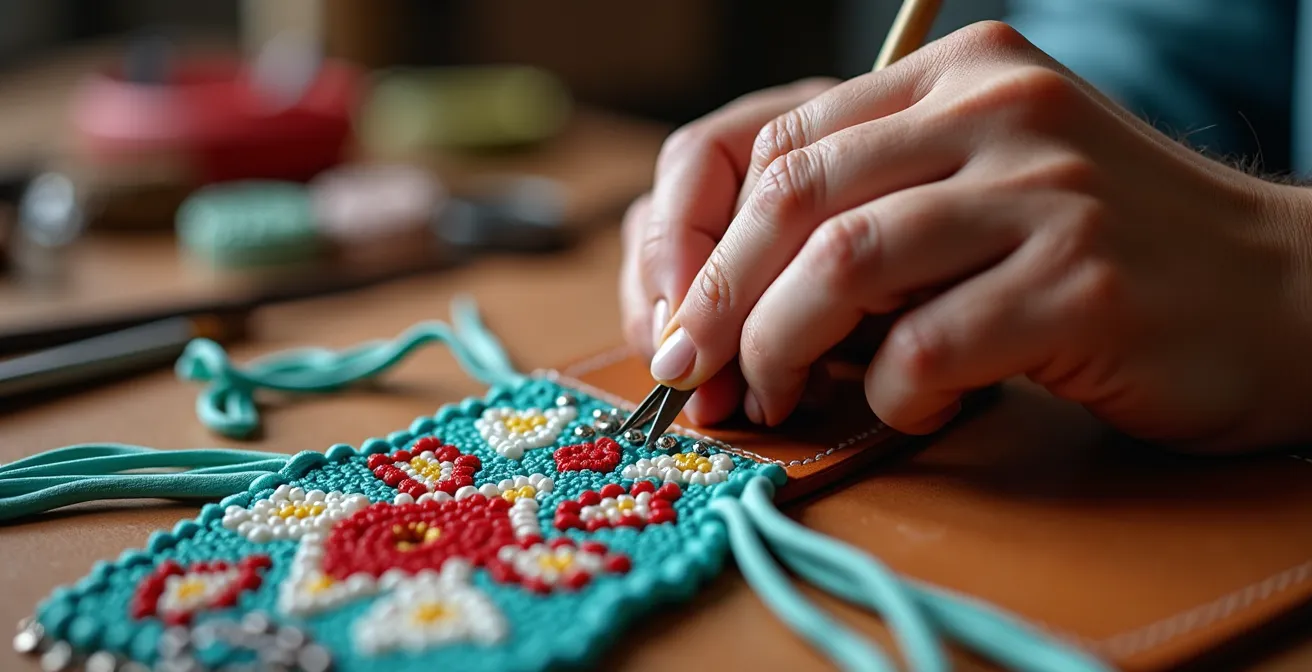
Moving from the plate to artisan crafts, the principle of intentional, ethical consumption becomes even more critical. When you purchase mukluks, beadwork, or jewelry, you are not just buying an object; you are investing in an artist, a family, and a culture. The rise of “inspired” designs and mass-produced knock-offs makes it essential to know how to verify authenticity. This isn’t about gatekeeping; it’s about ensuring your money supports the Indigenous creators who are the rightful stewards of their designs and traditions.
True Indigenous craftsmanship is a form of living heritage, a skill passed down through generations. The intricate beadwork on a pair of earrings or the thoughtful construction of a mukluk tells a story of place, identity, and artistic lineage. Supporting verified artists ensures this heritage continues to thrive. Organizations like the Canadian Council for Aboriginal Business (CCAB) and various Indigenous Tourism associations play a crucial role in this ecosystem. They provide certification and directories that help consumers make informed choices, connecting them directly with businesses that are genuinely Indigenous-owned and operated.
This verification process provides a crucial layer of trust. For example, when you see a product like Bangin’ Bannock mix, its packaging clearly states it is owned by Kelsey Coutts of the Nak’azdli Nation and Destiny Houshte of the Nakoda/Assiniboine Nation. This transparency, as highlighted in a case study from Destination Vancouver, empowers consumers to support genuine Indigenous entrepreneurship directly. The same principle applies when evaluating an artist on social media or in a gallery.
Your Checklist for Verifying Indigenous Artists
- Check the Bio for Specifics: Look for a specific Nation affiliation (e.g., ‘Kwakwaka’wakw,’ ‘Anishinaabe’) rather than a generic term like ‘First Nations.’ True artisans are proud of their specific heritage.
- Look for Lineage: Artists often mention their family connections, their community, or the person who taught them their craft. This storytelling is a key part of authenticity.
- Verify Market Participation: Check if they participate in Indigenous-run markets (like the Indigenous Arts Market in Toronto) or are featured by certified organizations.
- Assess the Narrative: Does the artist share the cultural significance or the story behind their designs? Authentic work is rich with meaning beyond its aesthetic.
- Cross-Reference with Directories: For established businesses, confirm their presence in official Indigenous business directories, such as those provided by the Canadian Council for Indigenous Business (CCIB).
West Coast seafood or Boreal game: which culinary region suits your palate?
One of the most common misconceptions about Indigenous cuisine is that it’s monolithic. In reality, it is as diverse as the lands and peoples of Canada. The culinary philosophies of Vancouver and Toronto offer a perfect contrast, reflecting two distinct environments: the temperate rainforests and ocean of the West Coast (Coast Salish territory) and the forests and lakes of the Great Lakes region (Anishinaabe and Haudenosaunee territory). Choosing between them is a matter of understanding the unique terroir and palate each region offers.
In Vancouver, the cuisine is dominated by the Pacific. At a restaurant like Salmon n’ Bannock, which proudly identifies as the city’s only Indigenous-owned and -operated restaurant, the menu is a celebration of the ocean’s bounty. The philosophy here is often described as “food as medicine,” with ingredients chosen for their nourishing properties and deep cultural significance. Flavours are clean, often smoky, and deeply connected to the sea and the coastal flora. Wild salmon is the undisputed star, prepared in numerous ways—smoked, candied, baked on a cedar plank—alongside other treasures like oolichan (candlefish) and halibut.
In contrast, Toronto’s Indigenous culinary scene draws from the Boreal forest and the agricultural traditions of the Three Sisters. Here, the palate is earthier and richer, built around wild game like bison and venison, and freshwater fish. The foundational ingredients include wild rice (manoomin), corn, beans, and squash—the Three Sisters—which form a complete nutritional and agricultural system. Cooking methods often involve slow-roasting, stewing, and smoking, creating deep, comforting flavours that speak of seasonal harvesting and preservation.
To help you decide which regional style might best suit your tastes, as this comparative guide to culinary regions illustrates, consider the core differences:
| Aspect | Vancouver (Coast Salish) | Toronto (Anishinaabe/Boreal) |
|---|---|---|
| Primary Proteins | Wild salmon, oolichan, halibut, seafood | Bison, venison, wild game, freshwater fish |
| Key Ingredients | Seaweed, cedar, berries | Wild rice, Three Sisters (corn, beans, squash) |
| Philosophy | Food as medicine approach | Seasonal harvesting traditions |
| Signature Restaurants | Salmon n’ Bannock | Pow Wow Cafe, Tea-N-Bannock |
| Cooking Methods | Cedar plank smoking, steaming | Slow roasting, stewing, smoking |
The ignorance error of assuming all Indigenous people live in rural poverty
One of the most persistent and damaging stereotypes is the image of Indigenous peoples in Canada as a rural, impoverished, and struggling population. While addressing systemic inequities is vital, this narrative completely erases the vibrant, successful, and growing presence of Indigenous professionals, entrepreneurs, and artists in urban centers. The modern Indigenous culinary and art scene is not just about cultural survival; it is a story of economic empowerment and contemporary success.
Indigenous-owned businesses are a dynamic and fast-growing sector of the Canadian economy. These entrepreneurs are not just creating jobs; they are building platforms for cultural expression, reclaiming economic independence, and challenging outdated perceptions. When you dine at an Indigenous restaurant or buy from an Indigenous artist, you are participating in a story of self-determination. This is a crucial aspect of what can be called gastronomic reconciliation—where supporting Indigenous businesses becomes a tangible action that fosters economic justice and mutual respect.
The statistics powerfully dismantle the old myths. Indigenous entrepreneurship, particularly among women, is flourishing. According to a 2023 report, it has been confirmed that more than 39% of Indigenous SMEs are majority-owned by women, a figure that dramatically outpaces the Canadian average of less than 17%. This isn’t a niche market; it’s a significant economic force driven by innovation and resilience. These business owners are community leaders, tastemakers, and a vital part of the urban fabric in cities like Vancouver and Toronto.
Seeing Indigenous peoples solely through a lens of historical trauma or rural disadvantage is an “ignorance error.” It overlooks the thriving, modern, and urban reality. The chef innovating with Boreal ingredients, the jeweller whose designs are featured in fashion magazines, and the tech entrepreneur developing new platforms are all part of the contemporary Indigenous story. Recognizing and supporting this success is as important as understanding the history. It shifts the narrative from one of passive aid to one of active partnership and admiration for thriving modern economies.
When to visit city squares to see modern musical performances on June 21st?
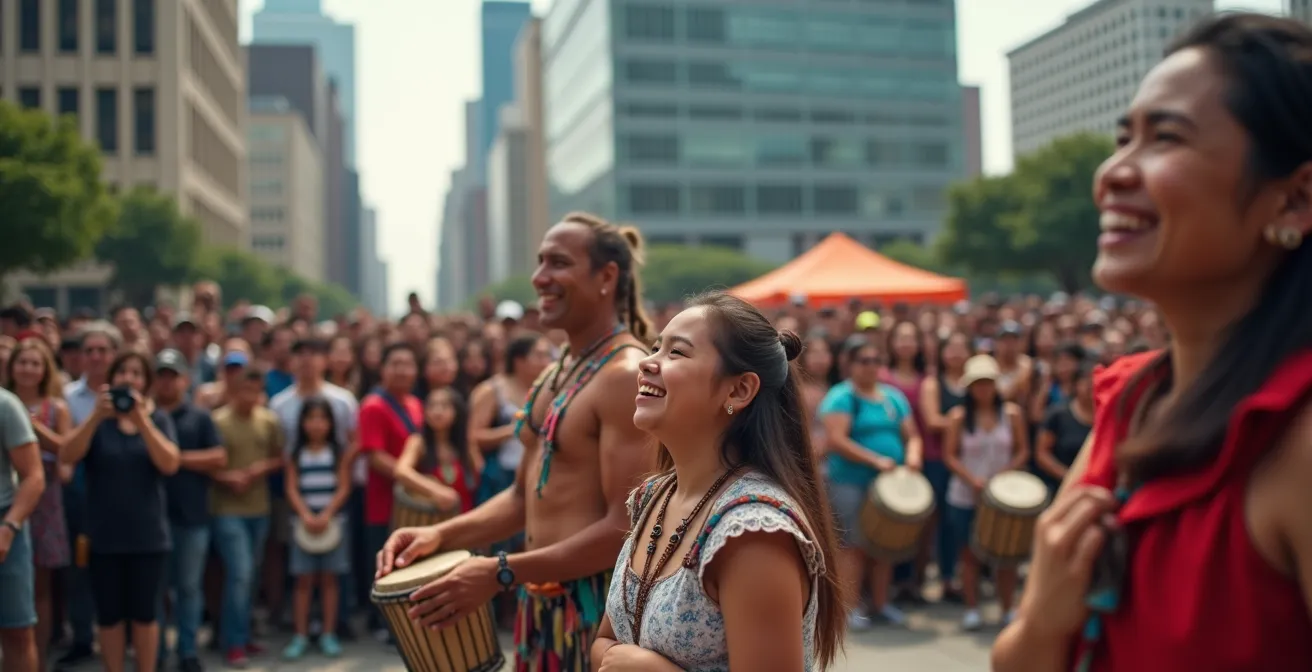
While the culinary scene offers a delicious entry point into modern Indigenous culture, the experience extends far beyond the restaurant. Music, dance, and public celebrations are powerful expressions of living heritage, transforming urban spaces into sites of vibrant cultural exchange. The most well-known of these is National Indigenous Peoples Day on June 21st, a day when city squares across Canada come alive with performances.
On this day, you can expect to find a wide range of events, from sunrise ceremonies to large-scale concerts. In Toronto, Nathan Phillips Square is a central hub, often hosting a sunrise ceremony around 5:30 AM, followed by a full day of music, markets, and traditional and contemporary dance. In Vancouver, locations like Grandview Park or Trout Lake often feature similar celebrations. These events are not solemn historical reenactments; they are joyful, modern gatherings featuring everything from traditional drumming and pow wow dancers to Indigenous hip-hop artists and electronic musicians. They are a public declaration that Indigenous culture is contemporary and thriving.
However, limiting your cultural calendar to a single day would be a mistake. Indigenous culture is celebrated year-round in Canada’s cities through a host of festivals, pow wows, and community events that welcome all people. Keeping an eye on the calendars of key Indigenous organizations is the best way to stay informed.
- Na-Me-Res Pow Wow (June): Held at Fort York in Toronto, this traditional pow wow brings together over 100 drummers and dancers for a spectacular weekend event.
- Toronto International Pow Wow (September): An major event hosted at Toronto Metropolitan University, showcasing competitive dancing and drumming.
- imagineNATIVE Film + Media Arts Festival (October): Based in Toronto, this is the world’s largest Indigenous film festival, presenting cutting-edge work from Indigenous storytellers.
- Year-Round Programming: Institutions like the Bill Reid Gallery in Vancouver and the Native Canadian Centre of Toronto offer a continuous stream of workshops, artist talks, and pop-up events.
Gritty multiculturalism or historic structure: which tour vibe do you prefer?
To truly understand the Indigenous presence in an urban setting, you have to hit the streets. But what kind of experience are you looking for? The way we learn about culture is shifting. The traditional, quiet reverence of a museum is being challenged by a more dynamic, on-the-ground approach led by Indigenous storytellers themselves. Your choice between these “tour vibes” will shape your understanding of Indigenous history and its contemporary reality.
The “historic structure” vibe can be found in established museums and galleries. These institutions are invaluable for their curated collections and the preservation of significant historical artifacts. However, the narrative is often presented from an external or historical perspective. The alternative is a “gritty multiculturalism” vibe, found in Indigenous-led walking tours and explorations of public art. These experiences are not about observing artifacts behind glass; they are about seeing the city as a living document of Indigenous history and resilience. As the Indigenous Land Urban Stories Project notes, this is about mediating between the old and the new.
Indigenous Land, Urban Stories explores how modern Indigenous chefs are taking their heritage, mediating between the old and new
– Indigenous Land Urban Stories Project, Culture to Cuisine Exhibition
This approach transforms a simple city walk into a profound learning experience. Organizations like First Story Toronto offer walking tours that uncover the city’s hidden Indigenous history, revealing the treaty lands and ancient pathways that lie beneath the concrete. In Vancouver, a walk through the Downtown Eastside reveals a powerful collection of contemporary Indigenous street art and murals. These artworks are not just decoration; they are acts of public space reclamation and political statements about modern Indigenous identity and issues. They turn the city itself into a gallery.
Case Study: Reclaiming Urban Space Through Narrative
Indigenous-led walking tours offer a powerful counter-narrative to colonial histories. By guiding participants through city streets while sharing stories of trade routes, settlement, displacement, and resilience, guides from groups like First Story Toronto and Talaysay Tours in Vancouver transform anonymous urban landscapes into places of deep historical and cultural meaning. This contrasts sharply with a traditional museum visit by providing a living, breathing account of an enduring Indigenous presence, connecting past struggles to present-day activism and cultural renaissance.
How to research an artist’s community affiliation before buying?
After being inspired by the art on a walking tour or in a gallery, the desire to purchase a piece is a natural next step. This is where the practice of “ethical sourcing 2.0” comes into play. It requires a gentle and respectful curiosity. You’ve already learned to look for specific Nation affiliations, but how do you dig deeper without causing offense? The key is to shift your mindset from one of interrogation to one of genuine interest in the story.
Demanding “proof” of Indigeneity is deeply problematic and offensive. It places the burden on the artist to justify their identity to a non-Indigenous person. The more respectful and effective approach is to engage with the narrative behind the work. Asking questions about the tradition, the materials, or the meaning of a design shows you value the culture, not just the aesthetic. This opens the door for the artist to share their story, which will naturally reveal their connection to their community and heritage. It’s about showing respectful curiosity, not demanding credentials.
Many Indigenous-owned galleries and collectives have already done this important work for you. Places like the Inuit Gallery of Vancouver or the Indigenous Arts Market at Fort York in Toronto have established relationships with their artists. They operate on a foundation of community trust and are invaluable resources for consumers. By purchasing from these vetted sources, you can be confident that you are supporting authentic creators and contributing to a sustainable and ethical arts economy.
Ultimately, researching an artist is about building a connection, however small, to their world. It’s about appreciating the layers of meaning—the family lineage, the community projects, the mentorship—that inform a single piece of art. This thoughtful approach ensures your purchase is a meaningful exchange, not just a transaction. It honours the artist’s identity and the deep cultural roots from which their creativity springs.
Key Takeaways
- Modern Indigenous cuisine is a form of storytelling, transforming historical ingredients into innovative urban dishes.
- Ethical support for Indigenous creators requires more than good intentions; it demands research and respectful verification.
- Engaging with Indigenous culture means seeing it as a living, year-round presence in cities, not just a historical exhibit or a single-day event.
How to shop at Granville Island Public Market like a local chef?
Now that you’ve explored the restaurants, the art, and the cultural events, the final step is to bring the flavours of modern Indigenous cuisine into your own kitchen. There’s no better place to do this in Vancouver than the Granville Island Public Market, a bustling hub of artisans and producers. But navigating it can be overwhelming. To shop like a local chef—specifically, an Indigenous chef—you need to know what to look for and who to support.
The key is to seek out the products and suppliers that are directly connected to Indigenous communities and their sustainable harvesting practices. This means looking beyond generic labels and seeking out specific cooperatives and brands that are committed to traceability and cultural vitality. One of the most important names to know is Authentic Indigenous Seafood, a cooperative of Indigenous fisheries. When you buy their products, you are directly supporting fisheries from nations like the Tseshaht and Hupacasath, who are committed to sustainable harvesting and preserving the cultural importance of salmon.
With that knowledge, you can navigate the market with purpose. Your shopping list should be guided by seasonality and a search for these specific, high-quality Indigenous products. Here’s your insider’s guide:
- Find the Fish: Look for wild B.C. salmon from vendors who are members of the Authentic Indigenous Seafood co-op. Their products, such as those from Tsu-ma-uss Seafoods, are sometimes available at specialty retailers within the market like Snack City.
- Forage for Produce: Depending on the season, seek out specialty produce vendors for foraged goods like wild mushrooms, fiddleheads, or local berries.
- Get the Smoked Goods: Don’t leave without maple smoked wild chinook salmon or candied salmon nuggets. These are delicacies that carry the signature smoky-sweet flavour of West Coast Indigenous preservation techniques.
- Spice it Up: Keep an eye out for products from modern Indigenous entrepreneurs, like Sriracha Revolver hot sauces, created by Jordan Hocking of the Sweetgrass First Nation.
Shopping this way transforms a tourist activity into a meaningful act of support for Indigenous food sovereignty. You are not just buying ingredients; you are investing in a system that values sustainability, cultural heritage, and economic self-determination. You are taking the final step, from appreciative diner to active participant in this vibrant culinary world.
By exploring the food, art, and stories with curiosity and respect, you can become a more conscious consumer and a true ally in the celebration of Canada’s vibrant and modern Indigenous cultures.
Frequently Asked Questions on Modern Indigenous Culture
What specific information should I look for in an artist’s bio?
Look for specific nation affiliation (e.g., ‘Musqueam’ not just ‘Coast Salish’), mentions of family lineage, and connections to community projects or mentorship programs. These details show a deep and authentic connection to a specific heritage.
How can I politely inquire about an artist’s work without demanding proof?
Ask ‘Can you tell me more about the traditions that influence this piece?’ This shifts the focus from demanding proof of identity to expressing genuine cultural interest, which is much more respectful and often leads to a richer conversation.
Which galleries in Vancouver and Toronto are Indigenous-owned and operated?
While many galleries feature Indigenous art, seeking out those that are Indigenous-owned, like the Inuit Gallery of Vancouver, provides an extra layer of assurance. These galleries have often already done the crucial work of vetting artists and ensuring ethical sourcing based on community trust.