
Canada’s vast wilderness represents some of the most pristine and challenging natural environments on Earth. From the ancient ice of receding glaciers to the moss-draped silence of coastal rainforests, these landscapes offer transformative experiences for those willing to venture beyond conventional tourism. Yet the very remoteness that makes these destinations extraordinary also demands a fundamentally different approach to travel planning and execution.
Understanding the realities of Canadian nature getaways means recognizing that infrastructure, cellular coverage, and rapid rescue are luxuries that simply don’t exist in most wilderness areas. This article provides the foundational knowledge you need to safely experience Canada’s most compelling natural wonders—whether you’re navigating glacial crevasses, timing your visit to catch the aurora borealis, or exploring fragile coastal formations shaped by millennia of erosion.
The transition from accessible parks to genuine wilderness happens quickly in Canada. What appears on a map as a modest distance can represent days of challenging terrain without services, communication, or emergency support.
Remote Canadian wilderness areas operate on a fundamentally different premise than national parks near urban centers. Gas stations, potable water sources, and medical facilities may be hundreds of kilometers apart. Many wilderness access points lack even basic amenities like toilets or maintained trails.
Think of infrastructure availability as a gradient that fades rapidly the further you travel from population centers. A location three hours from a major city might have good cellular coverage and nearby services, while a site five hours away could have neither for days of travel in any direction.
Cellular reliance becomes a critical safety error in remote areas. Satellite communication devices—whether satellite phones, GPS messengers, or emergency beacons—represent essential safety equipment rather than optional conveniences. These devices function where cell towers cannot, providing your only reliable link to rescue services.
Recent reports indicate that backcountry emergencies increasingly involve visitors who assumed their phones would work, delaying critical assistance. For any expedition beyond reliable cellular coverage, a satellite communication system isn’t luxury equipment—it’s survival infrastructure.
Canadian wilderness weather can shift from calm to dangerous within hours. Rapid weather changes occur with particular intensity in mountainous regions and coastal areas, where topography creates microclimates that local forecasts may not capture accurately.
Timing your expedition requires understanding both seasonal patterns and current conditions. A route safely navigable in August may be impassable or lethal in October due to snowfall, river levels, or reduced daylight hours affecting navigation and warmth.
Glaciers represent some of Canada’s most visually stunning yet inherently dangerous natural features. Understanding their behavior, fragility, and the skills required to explore them safely separates memorable experiences from tragic ones.
Canadian glaciers are experiencing rapid recession, with some losing several meters of thickness annually. This retreat makes glacial environments increasingly unstable and unpredictable. Features that existed for decades can disappear within a season, and ice that once appeared solid may conceal voids created by subsurface melting.
The visual spectacle of ice caves illustrates this fragility perfectly. These brilliant blue chambers form through meltwater erosion, but their beauty comes with extreme instability. Ice caves can collapse without warning, and their interiors may contain unseen weaknesses that make them death traps despite their photogenic appeal.
Crossing glacial terrain requires specific technical skills and equipment. Crevasse awareness is fundamental—these deep fissures in the ice can be concealed by snow bridges that appear solid but collapse under weight. Proper glacier travel involves roped teams, knowledge of self-arrest techniques, and the ability to perform crevasse rescue.
Even viewing glaciers from designated safe zones demands caution. Calving events—where large sections of ice break away—can occur unpredictably, creating dangerous waves in adjacent water bodies or launching ice projectiles considerable distances.
The guided versus independent question becomes particularly significant for glacial environments. Professional guides bring specialized training in glacier dynamics, route assessment, and rescue techniques that take years to develop. They also carry equipment most recreational visitors don’t own and continuously update their knowledge of current ice conditions.
Independent viewing from established observation points offers a safer alternative for those without technical skills, though it sacrifices the intimate experience of walking on glacial ice. Consider this option as prioritizing responsible tourism over ego-driven risk-taking.
Canada’s high-altitude lakes, with their otherworldly turquoise waters and dramatic mountain backdrops, have become iconic destinations. Understanding their ecology and managing access challenges ensures these fragile systems remain pristine.
That distinctive turquoise color results from glacial flour—ultra-fine rock particles ground by glacial movement and suspended in the water. These particles scatter light in specific wavelengths, creating the vibrant colors that appear almost artificially enhanced. The intensity of color correlates with glacial melt rates, making these lakes visual indicators of glacial activity.
This same sediment creates unique ecological conditions. The waters remain cold year-round, limiting biodiversity but supporting specialized species adapted to these harsh conditions. The lakes’ clarity and color make them appear inviting, but water temperatures rarely exceed 5°C even in summer, creating hypothermia risks within minutes of immersion.
Popular alpine lakes now face significant overuse challenges. Shuttle and transit systems have been implemented at some locations to manage vehicle traffic, requiring advance reservations during peak periods. These systems, while necessary for environmental protection, add logistical complexity to visit planning.
Exploring alternative lakes—equally stunning but less publicized—offers remarkable experiences without the crowds. Research lesser-known destinations that provide similar geological features and visual impact. Local hiking forums and Parks Canada resources can identify options that match your fitness level and experience.
The famous reflection photography these lakes enable requires specific conditions: calm winds, appropriate light angle, and timing. Early morning typically provides the stillest conditions before afternoon thermal winds develop. Understanding seasonal light patterns helps determine when sun angles create the most dramatic illumination of surrounding peaks reflected in mirror-still waters.
British Columbia’s coastal rainforests represent a rare ecosystem found in only a few locations globally. These environments require distinct preparation strategies and offer unique wildlife viewing opportunities.
The Great Bear Rainforest and similar coastal ecosystems exist where specific conditions converge: abundant precipitation, moderate temperatures, and coastal fog that provides moisture year-round. Old-growth forests here feature trees centuries old, with canopy layers supporting complex ecological communities.
The concept of the “nurse log” illustrates these forests’ regeneration cycle. Fallen trees, rather than being cleared away, become growth platforms for new seedlings. Nutrients from decomposing wood feed young trees, creating the characteristic sight of ruler-straight trees growing in rows atop ancient fallen trunks.
Constant humidity creates challenges conventional camping gear doesn’t address. Waterproof equipment must truly be waterproof—not merely water-resistant. Moisture management extends to preventing mold in sleeping bags, keeping electronics dry, and maintaining body temperature despite persistent dampness.
Coastal tides and surge events present serious hazards when exploring beaches or estuaries within rainforest areas. The difference between high and low tide can exceed 4 meters in some locations, turning safe beaches into dangerous channels within hours. Consulting tide tables and understanding local tidal patterns becomes essential safety practice.
Dense vegetation makes wildlife spotting in rainforests challenging but rewarding. Early morning and dusk offer optimal viewing windows when animals are most active. Species like black bears, Roosevelt elk, and the rare Kermode bear (spirit bear) inhabit these forests, requiring viewers to understand safe wildlife distance protocols.
The principle of quiet patience applies universally to rainforest wildlife viewing. These environments reward those who move slowly, speak softly, and spend time stationary rather than rushing through hoping for chance encounters.
The Atlantic provinces showcase dramatic coastal geology where ongoing erosion creates distinctive formations. Understanding these landscapes’ dynamic nature is essential for safe exploration.
Coastal formations like the famous “flowerpot rocks” form through differential erosion—softer rock erodes faster than harder layers, creating dramatic shapes. This same process that creates stunning scenery also means these formations are inherently unstable. What appears solid may be undermined by wave action below, making cliff edges and cave ceilings potentially hazardous.
Locations like Cavendish Cliffs and the Fundy Trail each offer distinct geological features. Cavendish’s red sandstone contrasts with Fundy’s more varied rock types, while Fundy’s extreme tidal range creates access opportunities that exist nowhere else on Earth.
Sea caves accessible at low tide become deadly traps when tides turn. The Bay of Fundy experiences the world’s highest tides—water levels can rise over a meter in just 15 minutes during tidal bore events. Timing your exploration requires consulting current tide schedules and building in substantial safety margins.
Cliff edge instability means maintaining safe distances from edges, avoiding standing directly below overhangs, and recognizing that erosion can cause unexpected collapses. Warning signs indicate known hazards, but coastal erosion constantly creates new instabilities that signage may not yet address.
Witnessing the northern lights combines scientific understanding, location strategy, and acceptance that natural phenomena don’t perform on demand.
Yellowknife, Whitehorse, and Churchill each offer distinct advantages for aurora viewing. Yellowknife sits directly beneath the auroral oval, providing the highest statistical probability of sightings. Whitehorse offers easier access and more developed tourism infrastructure. Churchill combines aurora viewing with unique wildlife opportunities, including polar bears during specific seasons.
The common factor across all premier viewing locations is minimal light pollution. Even small amounts of artificial light dramatically reduce visible aurora intensity. Successful viewing requires traveling away from urban areas to locations where true darkness exists.
Aurora activity correlates with solar cycles and short-term space weather events. While long-term solar cycles follow roughly 11-year patterns, day-to-day aurora intensity varies based on solar wind conditions that develop with little advance warning. Monitoring space weather forecasts and aurora prediction services helps optimize timing, though multiple nights significantly increase success probability.
Seasonal considerations matter equally. While auroras occur year-round, viewing requires darkness—limiting practical viewing to fall, winter, and early spring in most Canadian locations. Winter offers the longest dark periods but the most extreme cold to endure during viewing sessions.
Photography of auroras requires understanding both camera settings and cold-weather equipment behavior. Camera settings typically involve long exposures (10-30 seconds), wide apertures, and high ISO settings to capture the dancing lights. Tripods are essential for stability during these extended exposures.
Cold weather battery drain represents a critical technical challenge. Lithium batteries lose capacity rapidly in sub-zero temperatures. Successful aurora photographers carry multiple spare batteries kept warm against their bodies, swapping them regularly to maintain camera function throughout viewing sessions.
The combination of preparation, patience, and respect for Canada’s extraordinary natural environments transforms nature getaways from simple tourism into profound encounters with landscapes that have shaped this nation’s identity. Each ecosystem demands specific knowledge and skills, but all reward those who approach them with appropriate humility and preparation.
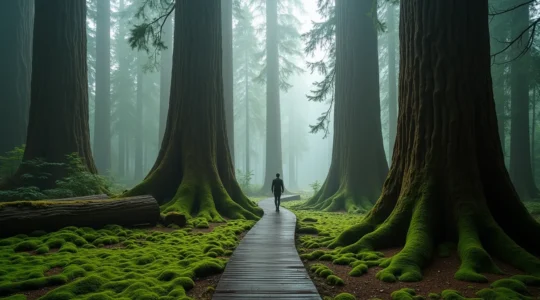
In summary: Responsible exploration is not about rules, but about understanding the forest as a single, interconnected organism. Look for key visual cues like a multi-layered canopy and “pit-and-mound” terrain to distinguish ancient forests from managed ones. Fallen trees, or…
Read more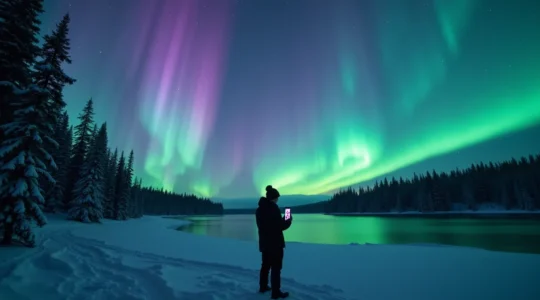
You’ve travelled to Yellowknife, the Kp index is high, yet the sky remains stubbornly dark or clouded over. The truth is, relying on the Kp index alone is a recipe for frustration. A successful aurora hunt in Canada depends on…
Read more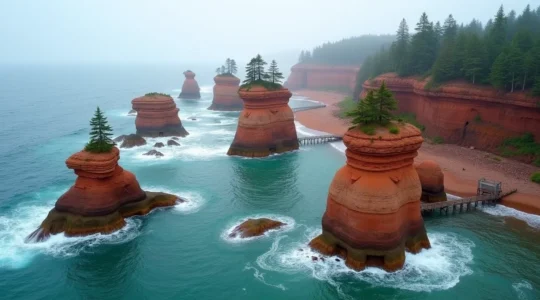
Visiting the magnificent coasts of New Brunswick and Prince Edward Island creates anxiety for many families worried about the powerful tides and crumbling cliffs. The secret to a safe and awe-inspiring visit isn’t just checking a tide chart; it’s about…
Read more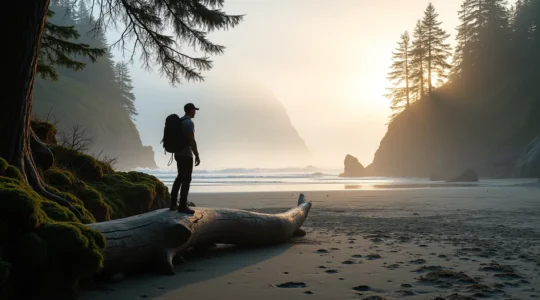
Contrary to popular belief, conquering the West Coast Trail isn’t about having the most expensive gear, but about mastering the coast’s unforgiving rhythm. The real challenges are the pervasive damp that defeats gear and the tide schedule that dictates your…
Read more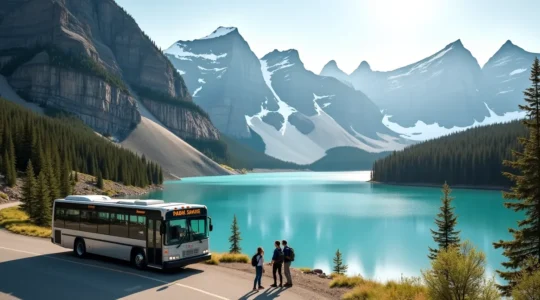
In summary: Accessing Moraine Lake now requires booking a Parks Canada shuttle, a private tour, or using Roam Transit, as personal vehicles are banned. Success depends on strategy: book Parks Canada seats exactly at 8 AM MDT, 48 hours in…
Read more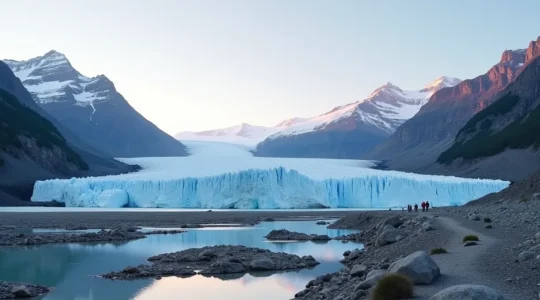
The most meaningful way to experience the Athabasca Glacier is not by joining the largest crowd, but by choosing the smallest footprint. Mass-market bus tours offer limited perspective and have a high environmental impact, contributing to the very problem visitors…
Read more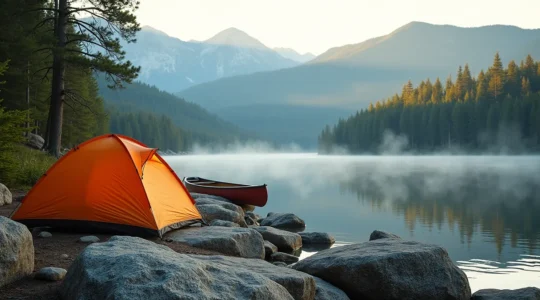
The gear you pack is secondary. Your survival in the Canadian backcountry depends on a ruthless pre-trip audit of potential failure points. Standard GPS is dangerously unreliable in deep wilderness; true navigation requires system redundancy with map and compass. Summer…
Read more