
Canada’s culinary landscape tells a story far richer than many travelers expect. From the Atlantic lobster boils that define Maritime summers to the frozen vineyards producing world-class Icewine, the country offers food experiences rooted in geography, climate, and multicultural heritage. Understanding these flavors means going beyond restaurant menus to explore seasonal rhythms, regional terroir, and the artisans who shape Canada’s food identity.
This comprehensive resource connects the essential elements of Canadian culinary discovery: traditional foods with deep regional roots, vibrant public markets showcasing local producers, the country’s thriving craft beverage scene, and hands-on experiences that transform tasting into education. Whether you’re timing a visit to coincide with sugar shack season or deciphering VQA wine labels, the following insights will help you navigate Canada’s diverse food culture with confidence and appreciation.
The Atlantic lobster represents more than a luxury seafood item—it’s a cultural cornerstone of Canada’s Maritime provinces. The fishing season follows strict biological cycles, with most Atlantic Canadian waters operating under seasonal regulations that protect breeding populations. Understanding these patterns helps explain why lobster prices fluctuate dramatically throughout the year, with peak abundance typically occurring during warmer months when lobsters shed their shells.
Many visitors unknowingly encounter different lobster experiences based on shell condition. Hard shell lobsters, caught before molting, offer firmer meat and better shipping durability, making them the preference for transport to distant markets. Soft shell lobsters, recently molted, contain slightly less meat but are often sweeter and more tender. Local seafood markets in Nova Scotia and New Brunswick typically indicate shell condition, allowing informed selection based on preparation method.
The persistent myth of “screaming” lobsters during cooking stems from steam escaping shell cavities, not vocalization—lobsters lack vocal cords. Proper preparation focuses on water salinity and timing. Maritime cooks traditionally use seawater or add approximately 60-70 grams of sea salt per liter of fresh water, mimicking the lobster’s natural environment. This approach enhances flavor while ensuring the meat doesn’t absorb excess fresh water, which can dilute taste.
Canada’s provincial food traditions evolved from geographic isolation, available ingredients, and immigrant influences. These aren’t fusion experiments or modern creations—they’re dishes with decades of regional loyalty that rarely appear outside their home provinces.
This no-bake dessert from British Columbia’s Vancouver Island exemplifies resourceful Depression-era cooking: a chocolate-coconut base, custard middle layer, and chocolate ganache top. The three distinct layers require no exotic ingredients, yet the combination creates a texture profile that’s become synonymous with BC hospitality. Authentic versions maintain precise ratios—too much custard makes them unwieldy, too little renders them dry.
Saskatchewan’s Saskatoon berries resemble blueberries superficially but offer an earthier, almost almond-like note from their seeds. They thrive in prairie conditions where blueberries struggle, making them essential to regional pies and preserves. Meanwhile, Halifax’s donair—a Maritime adaptation of Mediterranean gyros—features sweetened condensed milk in its signature sauce, creating a flavor profile found nowhere else in Canadian cuisine.
The quality gap between authentic Quebec maple syrup and commercial blends is substantial. Genuine syrup carries a grading system (Golden, Amber, Dark, Very Dark) based on light transmission and harvest timing, not quality. Early-season Golden syrup offers delicate flavor ideal for pancakes, while late-season Dark syrup provides robust taste preferred for cooking. Sugar shack visits during the brief spring harvest season (typically late February through April, depending on temperature fluctuations) offer direct-from-producer purchases and traditional tire sur neige demonstrations.
Public markets function as living museums of regional agriculture and food craft. Unlike supermarkets with year-round consistency, markets reflect seasonal realities—asparagus in May, sweet corn in August, squash in October. This seasonality rewards strategic timing and basic produce knowledge.
Jean-Talon Market, located in Little Italy, spans an entire city block with over 300 vendors emphasizing Quebec producers. Its strength lies in French-Canadian specialties: fresh cheese curds with the characteristic squeak of same-day production, tourtière ingredients, and heirloom apple varieties. Atwater Market, smaller and architecturally refined, focuses on prepared foods and gourmet products alongside traditional produce. Both operate year-round, but indoor vendor concentration increases during Quebec’s harsh winters.
Operating since the early 1800s, St. Lawrence Market distinguishes itself through the peameal bacon sandwich—wet-cured pork loin rolled in cornmeal, griddled and served on a bun. This Toronto staple uses a curing technique that predates refrigeration, resulting in milder flavor than traditional bacon. Saturday mornings bring peak crowds and full vendor presence, while weekday visits offer easier navigation with slightly reduced selection.
Cross-border travelers face agricultural import restrictions when returning to the United States. Fresh fruits, vegetables, and particularly dairy products often cannot cross legally, leading to confiscation. Processed goods, maple products, and commercially packaged items generally pass inspection. Early morning visits (within the first hour of opening) provide best selection and cooler temperatures for perishables, while late afternoon sometimes yields price reductions on items vendors prefer not to transport back.
Guided culinary tours transform random restaurant visits into narrative experiences connecting food to immigration patterns, neighborhood evolution, and cultural preservation. The educational value depends heavily on guide expertise and route curation rather than food quantity alone.
Toronto’s Kensington Market tours navigate a neighborhood that transitioned from Jewish to Portuguese to Caribbean and Latin American demographics, with each wave leaving culinary marks. St. Lawrence Market tours emphasize historical continuity and Canadian colonial food traditions. The distinction matters: one explores cultural succession, the other celebrates preservation. Hidden gem access—private homes offering traditional cooking, wholesale suppliers not open to walk-in traffic—justifies tour costs beyond what independent exploration provides.
For those managing food allergies or dietary restrictions, advance communication with tour operators proves essential. Responsible companies maintain vendor relationships allowing ingredient substitutions, but last-minute accommodations often prove impossible. Similarly, appetite management requires strategic planning—light breakfast before morning tours, awareness that tastings accumulate to substantial caloric intake over three hours.
British Columbia and Alberta have developed distinct craft alcohol identities shaped by ingredient availability, water sources, and consumer preferences. Understanding regional characteristics prevents generic “brewery hopping” that misses meaningful distinctions.
Vancouver and Victoria breweries heavily favor New England-style hazy IPAs—cloudy, juice-forward beers with restrained bitterness. This style dominance reflects BC’s hop-growing regions (Fraser Valley, Similkameen Valley) producing aromatic varieties suited to late-addition brewing techniques. The unfiltered appearance initially confused consumers expecting clear beer, but the style now represents roughly 40% of BC craft offerings according to industry observers.
Alberta’s craft scene leans toward malt-forward styles—stouts, porters, and traditional British ales—reflecting both prairie grain access and climate. Calgary breweries often occupy converted industrial spaces in established neighborhoods, creating walkable clusters suitable for public transit exploration. The city’s CTrain system connects multiple brewery districts, offering practical alternatives to designated drivers.
Craft breweries increasingly produce beers exceeding 7-8% ABV, with some imperial stouts and barrel-aged offerings reaching 12-14%. Tasting flights typically include four 4-ounce pours, but high-alcohol selections accumulate quickly. Strategic flight construction alternates styles and strengths, prioritizing delicate flavors early before palate fatigue diminishes sensitivity. Many breweries now list ABV prominently, enabling informed selection.
The Vintners Quality Alliance certification system ensures geographic authenticity and quality standards for Canadian wine, functioning similarly to European appellations. VQA designation requires 100% Canadian grapes from specified regions, with additional criteria for vineyard practices and sugar levels.
Ontario’s Niagara Peninsula benefits from Lake Ontario’s moderating influence, creating microclimates that prevent winter kill while extending growing seasons. The region excels with Riesling, Chardonnay, and Cabernet Franc. British Columbia’s Okanagan Valley, a semi-arid climate 300 kilometers inland, produces more structured reds (Merlot, Syrah) alongside aromatic whites. The latitude difference—Niagara sits near 43°N, the Okanagan near 50°N—means extremely long summer daylight hours in BC that intensify flavor development despite cooler average temperatures.
Authentic Canadian Icewine requires grapes frozen naturally on the vine at -8°C or colder, typically harvested in December or January during nighttime hours. The physics of frozen grapes concentrates sugars and acids as water crystallizes and separates during pressing. This labor-intensive process (yields drop 80-90% compared to regular harvest) explains premium pricing. Post-purchase, Icewine requires refrigerated storage after opening and maintains quality for weeks due to high sugar content acting as preservative, though oxidation eventually dulls the vibrant fruit character.
Regional Icewine festivals typically occur in January and February, offering vineyard tours during the dormant season, barrel tastings, and food pairings demonstrating Icewine’s versatility beyond dessert—it complements foie gras, blue cheese, and spicy Asian cuisine through acid-sugar balance.
Canada’s cheese production underwent renaissance starting in the 1990s when regulatory changes permitted small-scale artisan production and raw milk cheese under strict aging requirements. Quebec now hosts over 300 cheese producers, with significant clustering in Charlevoix and the Eastern Townships.
The province’s raw milk regulations require minimum 60-day aging for unpasteurized milk cheeses, identical to US FDA rules but enforced through provincial inspections. This aging period eliminates pathogens while preserving flavor complexity that pasteurization diminishes. Warwick and Charlevoix regions developed distinct styles: Warwick cheeses often feature washed rinds and creamy textures influenced by French traditions, while Charlevoix producers emphasize alpine-style pressed cheeses reflecting mountain terroir.
Fresh cheese curds—the essential poutine component—must be consumed within hours of production for the characteristic squeak caused by protein structure that hasn’t yet broken down. Quebec fromageries selling same-day curds attract devoted local followings, with some Montreal markets receiving multiple daily deliveries. The annual Fête des Fromages events (various locations and dates across Quebec during summer months) gather producers for tastings, demonstrations, and direct sales, often offering limited-production cheeses unavailable in retail distribution.
Formal tasting classes transform consumption into analytical skill-building through guided comparison and sensory vocabulary development. The structured workshop format—whether focusing on wine, cheese, or spirits—follows pedagogical principles that casual restaurant tastings rarely provide.
The acidity balance principle demonstrates why certain regional products pair naturally: Quebec’s high-acid cheeses cut through the province’s rich, maple-sweetened dishes, while Okanagan wines’ fruit-forward profiles complement BC’s salmon preparations. Workshop settings control variables (serving temperature, sequence, palate cleansers) that affect perception, teaching participants to isolate specific characteristics rather than forming vague preferences.
Structured classes typically limit participants to 12-15 people, ensuring instructor interaction and question opportunities. Casual tastings sacrifice depth for social atmosphere—both have merit depending on goals. Serious learners should recognize palate fatigue as inevitable after 60-90 minutes of concentrated tasting; professional sommeliers and cheese judges rarely evaluate more than 8-10 products consecutively before requiring extended breaks. Transportation planning remains essential for any alcohol-inclusive workshop, with designated drivers, ride-sharing services, or accommodations within walking distance as responsible alternatives.
Canada’s culinary identity emerges not from a single signature dish but from regional diversity shaped by climate, immigration, and artisan dedication. Whether you’re timing a visit to coincide with lobster season in Nova Scotia, exploring Montreal’s market districts, or learning to distinguish Niagara and Okanagan terroir, each experience reveals how geography and culture intersect on the plate. The depth of knowledge available—from VQA certification systems to the physics of frozen grapes—rewards curiosity and transforms casual tasting into meaningful discovery.
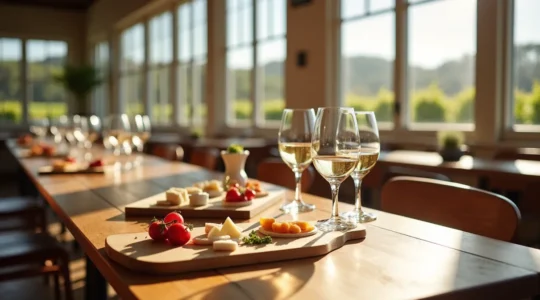
A successful food and wine pairing workshop transforms you from a follower of rules into an architect of flavour. It focuses on the scientific interaction between core components like acid, fat, and tannin, not just matching flavours. The best experiences…
Read more
In summary: Understand Quebec’s unique raw milk cheese laws to taste products unavailable in the US. Master the “Squeak Standard” by seeking out room-temperature cheese curds directly from the fromagerie. Adopt the “Rolling Cellar” method with a two-cooler system to…
Read more
The high price of Canadian Icewine is not due to risk, but to a legally-enforced guarantee of quality and flavour concentration that table wine cannot match. Authentic Icewine requires grapes to freeze naturally on the vine at -8°C, concentrating sugars…
Read more
In summary: Leverage Vancouver’s SkyTrain system, specifically the Millennium Line, to access dense clusters of breweries like Port Moody’s “Brewers Row.” Understand that British Columbia’s unique hop-growing history (terroir) is what gives its IPAs a distinct, world-renowned flavour profile. Plan…
Read more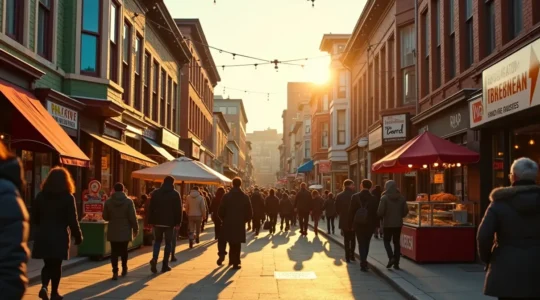
The true value of a $100 food tour isn’t just the food; it’s the hidden “Return on Experience” (ROE) it provides for budget-conscious travellers. It grants “access arbitrage” by letting you skip long lines at famous vendors, a quantifiable time-saving…
Read more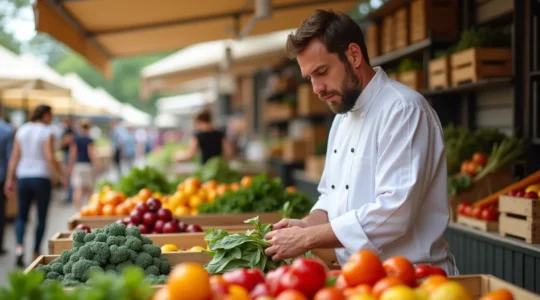
To truly shop like a chef, you must abandon the tourist mindset and adopt a strategy of professional procurement. The best value comes from primo ingredients at opening, not discounted leftovers at closing. Authenticity isn’t just a label; it’s a…
Read more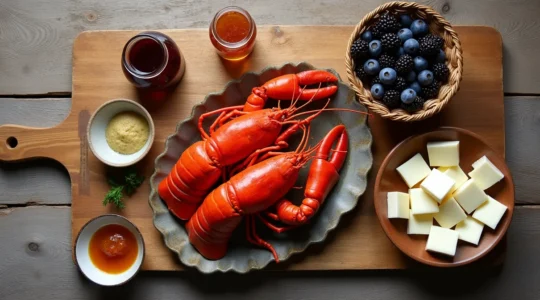
Many believe Canadian cuisine is simply poutine and maple syrup. This guide proves otherwise by deconstructing the country’s true regional delicacies. We’ll move beyond the menu to explore the sensory blueprint of each dish—from the audible squeak of fresh poutine…
Read more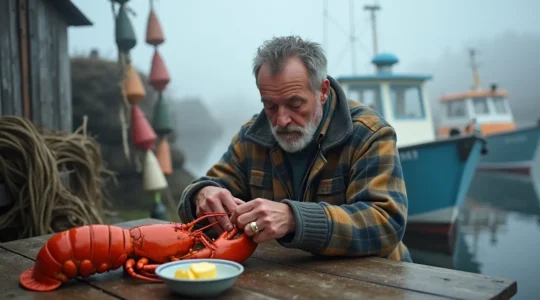
Fumbling with a whole lobster is a tourist’s game; eating it with confidence and getting every last morsel is the Maritime way. The secret to flavour isn’t just melted butter; it’s knowing the difference between a sweet “shedder” and a…
Read more