
Choosing where to stay during a Canadian holiday is far more than a practical decision—it’s a defining element of your entire experience. From fly-in boreal cabins accessible only by floatplane to century-old farmhouses nestled in agricultural heartlands, from beloved family cottages on glacial lakes to cutting-edge eco-lodges in pristine wilderness, the diversity of Canadian accommodations reflects the country’s vast geography and rich cultural traditions. Each lodging type offers not just a place to sleep, but a distinct way of connecting with the landscape, the seasons, and the communities that call these places home.
Understanding the nuances of these accommodation categories helps you align your comfort expectations with reality, prepare appropriately for the logistics involved, and ultimately choose a stay that resonates with your travel goals. Whether you’re drawn to the profound silence of a remote refuge, the warmth of rural hospitality, the nostalgia of cottage country traditions, or the innovation of sustainable tourism, this comprehensive exploration will equip you with the knowledge to navigate Canada’s accommodation landscape with confidence and clarity.
The Canadian boreal forest—stretching across millions of hectares from Yukon to Newfoundland—hosts some of the most isolated and transformative lodging experiences on the continent. These remote refuges appeal to travelers seeking genuine disconnection from urban life and an immersive encounter with wilderness.
Reaching these accommodations often involves specialized transportation. Fly-in lodges typically require chartered floatplane or helicopter service, with costs ranging from several hundred to over a thousand dollars per person depending on distance. Hike-in cabins demand physical preparation—trails may span 5 to 20 kilometers through rugged terrain with significant elevation changes. Some winter-only refuges rely on snowmobile or ice road access. Always confirm transportation arrangements well in advance, as weather can delay departures, and flexible scheduling is essential.
Remote lodgings exist on a spectrum. Some fly-in fishing lodges offer surprising luxury—hot water, electricity from generators, full meal service—while backcountry huts maintained by organizations like the Alpine Club of Canada provide only basic shelter. Before booking, clarify specifics about water sources (lake, well, or hauled), heating systems, cooking facilities, and waste management. Many operate on pack-in, pack-out principles for environmental stewardship.
Distance from emergency services necessitates heightened self-reliance. Reputable operators provide thorough safety briefings covering wildlife encounter protocols (particularly for bears), communication systems (satellite phones or emergency beacons), and medical contingency plans. Verify that accommodations include basic first aid supplies, fire extinguishers, and clear evacuation procedures. The solitude is part of the appeal, but responsible preparation ensures it remains safe solitude.
Beyond the cities, rural Canada offers accommodation experiences deeply rooted in agricultural traditions and small-town community life. These stays provide cultural immersion that urban hotels simply cannot replicate.
A working farm stay involves direct participation in agricultural rhythms—guests might collect eggs, observe milking, or learn about crop rotations. These tend to be smaller-scale, family-run operations with modest accommodations but rich experiential value. Country inns, by contrast, occupy restored heritage buildings and emphasize refined hospitality, often featuring locally-sourced gourmet meals and curated regional experiences. Both support rural economies, but the level of hands-on engagement differs significantly.
Rural accommodations often operate within constraints unfamiliar to urban travelers. Limited internet connectivity is common and sometimes intentional—not a deficiency but a feature for digital detox seekers. Grocery stores may be 30 minutes away; restaurants might close by 7 PM. ATMs can be scarce. The key is adjusting expectations: embrace slower rhythms, plan self-sufficiency for basics, and view these limitations as opportunities to experience local life authentically.
Agricultural regions experience dramatic seasonal variation. Harvest stays during autumn offer peak engagement—apple picking in Ontario’s countryside, pumpkin patches in the Fraser Valley, grain harvests across the Prairies. Spring brings maple syrup season in Quebec and the Maritimes. Winter, while quieter, can provide cozy fireside experiences and reduced rates. Coordinate your timing with the activities you most want to witness.
Off-grid cabins represent a middle ground between wilderness camping and conventional lodging, offering shelter with varying degrees of modern amenity. Success depends on understanding their unique operational requirements.
Many remote cabins lack running water. “Dry cabins” require guests to haul water from nearby lakes or wells for drinking (often requiring filtration), cooking, and washing. Expect to use significantly less water than at home—a profound lesson in resource consciousness. Outhouses or composting toilets replace flush systems. Some properties provide detailed instructions; others assume basic wilderness competence. Clarify these details before arrival to avoid unpleasant surprises.
Wood stoves provide romantic ambiance but demand active management—splitting kindling, maintaining airflow, managing overnight burns. Propane heaters offer convenience and consistent warmth but require ventilation vigilance. Carbon monoxide poisoning is a genuine risk in tightly sealed cabins with combustion heating. Ensure your accommodation has functioning CO detectors (bring a battery-powered backup), maintain adequate ventilation even in cold weather, and never use outdoor-only propane equipment indoors. This cannot be overstated—CO is odorless and deadly.
Cabin life demands thoughtful preparation. Essential items often include: sleeping bags rated for lower-than-expected temperatures, headlamps with spare batteries, comprehensive first aid kits, water purification methods, fire-starting materials, and food that doesn’t require refrigeration. Many cabins provide cookware and dishes, but confirm inventory. Layered clothing suitable for wide temperature fluctuations matters more than volume. Think function over fashion, and remember that forgotten items cannot simply be purchased nearby.
The “cottage” occupies a unique place in Canadian cultural identity—particularly in Ontario, Quebec, and parts of the Maritimes. These seasonal properties on lakeshores represent multi-generational family traditions and a distinct etiquette ecosystem.
For Canadians, “going to the cottage” signifies more than vacation; it’s a cherished ritual involving extended family gatherings, water sports, bonfires, and a relaxed pace that defines summer. When renting in these areas, you’re temporarily joining this cultural institution. Respect for community norms is essential: quiet hours are taken seriously, waterfront maintenance practices matter, and understanding shared-lake etiquette (boating right-of-way, fishing courtesy, swimming area boundaries) prevents conflicts.
Boating safety regulations vary by province but universally require proper licensing for motorized watercraft and mandatory life jacket availability. Transport Canada’s pleasure craft operator requirements apply nationwide. Before taking that canoe or boat out, verify insurance coverage, understand local speed limits and restricted zones, and check weather forecasts—afternoon thunderstorms develop rapidly on inland lakes.
The septic system error is common among cottage renters: these properties typically use private septic fields, not municipal sewage. Flushing inappropriate items (wipes, feminine products, even excessive toilet paper) can cause expensive failures. Similarly, be mindful of water usage—many cottages draw from wells with finite recovery rates. Booking timing is strategic: peak weeks (July long weekend through mid-August) require reservations months ahead and command premium rates, while shoulder seasons offer solitude and savings.
As environmental awareness grows, eco-tourism accommodations have proliferated across Canada—but quality and authenticity vary dramatically. Navigating genuine sustainability claims requires informed scrutiny.
Legitimate eco-certification programs like Green Key Global or Audubon International provide third-party verification of environmental practices. Look for specific, measurable commitments: renewable energy percentages, water conservation systems, waste diversion rates, and local sourcing policies. Vague “eco-friendly” claims without supporting details warrant skepticism. True eco-lodges minimize physical footprints, employ local communities, educate guests about ecosystems, and demonstrate long-term environmental stewardship beyond marketing language.
Understanding the glamping versus eco-lodge distinction helps clarify offerings. Glamping (glamorous camping) emphasizes luxury amenities in natural settings—safari tents with king beds, yurts with wood-fired hot tubs—but may or may not prioritize ecological impact. Eco-lodges focus primarily on environmental sustainability and conservation, though comfort levels vary. Neither is inherently superior; they serve different priorities.
Responsible eco-tourism acknowledges potential risks, including wildlife displacement from sensitive habitats. Ethical operators conduct environmental impact assessments, establish buffer zones around critical wildlife areas, and adjust operations seasonally. As a guest, optimize your energy usage—utilize natural lighting, minimize heating/cooling, take shorter showers—and participate in waste separation programs. Your behavior directly influences the operation’s environmental footprint.
Canada’s winter opens unique lodging experiences—ice hotels, heated prospector tents, winter yurts—that transform extreme cold into memorable adventure. Success requires understanding thermal management principles.
The science of thermal sleeping bags is critical: temperature ratings indicate survival limits, not comfort zones. For genuine sub-zero sleeping, choose bags rated at least 10°C colder than expected nighttime lows. Layering systems matter—sleeping in dry base layers inside a quality bag, on an insulated pad (R-value 5+), prevents ground heat loss that surprises many first-timers. Moisture management mistakes, like sleeping in sweat-dampened clothes, drastically reduce insulation effectiveness and create dangerous conditions.
Many winter accommodations feature outdoor hot tub sequences—the exhilarating cycle of soaking in 40°C water under northern lights, then cooling in snow or icy air. The thermal shock provides remarkable invigoration but demands gradual acclimation. Start with shorter exposures, stay hydrated, and never participate alone due to hypothermia risks.
Weekend stays generally provide better value than single nights for winter accommodations, as the adjustment period to extreme cold environments takes time. Your body acclimates, you refine your layering strategy, and you settle into the unique rhythms of sub-zero living. The photography window—dawn and dusk’s “blue hour”—offers spectacular light on snow and ice, making these challenging temperatures worthwhile for patient observers.
Canada’s accommodation landscape offers extraordinary diversity, each category providing distinct pathways to experience this vast country’s geography, seasons, and cultural traditions. By understanding the practical realities, safety requirements, and cultural contexts of these various lodging types, you can make informed choices that transform your holiday from merely satisfactory to genuinely transformative. Whether you’re drawn to wilderness isolation, agricultural authenticity, cottage traditions, environmental stewardship, or winter extremes, preparation and appropriate expectations ensure your chosen accommodation enhances rather than compromises your Canadian adventure.

The secret to a warm, comfortable night at the Hôtel de Glace is not piling on clothes, but mastering moisture and pre-heating your body. Your warmth comes from the sleeping bag’s ability to trap your dry body heat, not from…
Read more
Most “eco-friendly” markers are surface-level greenwashing; true sustainability is hidden in a resort’s engineering and ecological design. Certifications like LEED are a starting point, not a guarantee for projects deep in the Canadian wilderness. A resort’s wastewater treatment and wildlife…
Read more
Securing a legitimate Muskoka cottage rental goes beyond spotting deals that are ‘too good to be true’; it requires verifying the property against specific local regulations. Verify the property’s Short-Term Rental Accommodation (STRA) license number with the local township. Confirm…
Read more
In summary: Treat the wood stove as the heart of a “cabin ecosystem,” not just a heater. Use it for warmth, water, cooking, and morale. Mastering overnight heat is about slow-burning techniques combined with personal “thermal resilience” using the right…
Read more
Choosing a hands-on farm stay is about finding your family’s perfect balance between relaxation and real participation. Your stay directly supports the vitality and economic health of small Canadian communities. The most rewarding experiences require intentional preparation, from planning meals…
Read more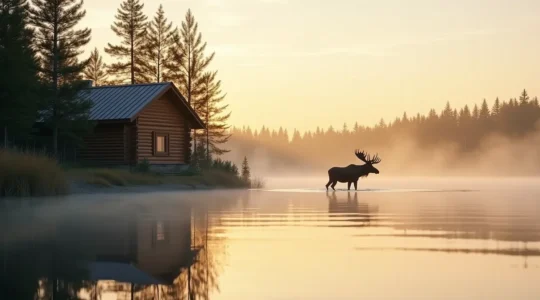
Securing a coveted boreal forest cabin during moose season is less about luck and more about adopting an outfitter’s mindset. The booking frenzy for public parks is intense; a strategic approach focusing on shoulder seasons or private inns offers a…
Read more