
Planning a holiday in Canada presents unique challenges that often catch first-time visitors off guard. The country’s vast geography—spanning nearly 10 million square kilometers—means that distance calculations, seasonal weather extremes, and regional cost variations play a far more significant role than in most other destinations. What seems like a simple two-week vacation can quickly become a logistical puzzle involving multiple time zones, vastly different climate conditions, and transportation costs that vary wildly depending on your routing choices.
This complexity doesn’t mean Canadian travel is prohibitively difficult, but it does require a more thoughtful approach to planning. From understanding the nuances of the Parks Canada reservation system to navigating the evolving legal landscape of short-term rentals, from choosing between budget airlines and VIA Rail to timing your visit for optimal wildlife viewing, every decision has cascading effects on your budget and experience. This article connects the essential elements of Canadian holiday planning, providing you with the foundational knowledge to make informed decisions and avoid the most common pitfalls that trip up even seasoned travelers.
The single biggest miscalculation travelers make when budgeting for a Canadian holiday involves underestimating the impact of distance and seasonality on overall costs. A trip from Vancouver to Halifax covers roughly the same distance as London to Baghdad, yet many visitors plan their Canadian itineraries as if they’re touring a compact European country.
Seasonal pricing variations in Canada are particularly dramatic. A hotel room in Banff that costs $450 per night in July might drop to $120 in November. Similarly, a flight from Toronto to Vancouver can fluctuate by several hundred dollars depending on whether you’re traveling during peak summer weeks, shoulder season months, or the winter low season. These aren’t minor adjustments—seasonal swings of 200-300% are common in popular tourist regions.
Beyond the obvious costs of flights and hotels, several categories of expenses catch visitors by surprise:
A realistic approach involves building a budget that accounts for geographical scale. If your itinerary covers multiple regions separated by hundreds of kilometers, allocate sufficient funds for either lengthy drives (fuel, meals, overnight stops) or inter-city flights that may cost considerably more than international connections.
Transportation decisions fundamentally shape both your budget and the type of experience you’ll have. Canada offers three primary modes for long-distance travel—domestic flights, intercity trains, and self-drive vehicles—each with distinct advantages and limitations that vary dramatically by region and season.
Canadian domestic airfares don’t follow predictable patterns the way they might in more competitive markets. The country has two major carriers plus several regional airlines, creating a marketplace where prices can vary by hundreds of dollars for the same route depending on booking timing, day of week, and even time of day. Tuesday and Wednesday flights are frequently 20-40% cheaper than Friday or Sunday options on popular routes.
The most effective booking strategy involves monitoring prices across a 4-6 week window rather than purchasing immediately or waiting until the last minute. Unlike some international markets where last-minute deals appear, Canadian domestic seats typically become more expensive as departure dates approach, particularly on routes with limited competition.
Train travel in Canada occupies a middle ground between budget practicality and experiential luxury. While the Corridor service between Windsor and Quebec City offers competitive pricing and convenient schedules, long-distance routes like The Canadian (Toronto to Vancouver) function more as multi-day scenic experiences than efficient transportation. A cross-country train journey can take 4-5 days and cost more than flying, but provides unmatched access to landscapes inaccessible by road.
For travelers prioritizing budget over speed, advance booking during promotional periods can yield significant savings—sometimes reducing fares by 40-50% compared to standard pricing. However, these discounted tickets typically come with restrictions on changes and cancellations.
Renting a vehicle provides unmatched flexibility for exploring national parks, coastal routes, and rural areas poorly served by public transit. However, the economics shift dramatically based on your group size and itinerary. A solo traveler driving from Calgary to Vancouver faces substantial fuel costs ($150-200 one way), potential accommodation expenses for overnight stops, and rental fees that make flying more economical. A family of four covering the same distance might find driving considerably cheaper per person while gaining valuable flexibility for park visits and spontaneous stops.
The Parks Canada system represents one of the country’s premier attractions, but navigating its reservation system, fee structure, and regulatory framework requires advance planning—particularly if you’re visiting during peak summer months when demand far exceeds capacity at popular locations.
Parks Canada operates on a daily entry fee system for most national parks, with costs varying by park and season. Individual daily passes typically range from $8-11 per adult, but families planning to visit multiple parks benefit substantially from purchasing a Discovery Pass (annual entry to all national parks, historic sites, and marine conservation areas). The break-even point usually occurs around 7-8 days of total park visits across a year.
Conservation fees represent an additional category—these mandatory charges support specific environmental programs and habitat restoration efforts. While relatively modest (usually a few dollars per day), they’re separate from entry fees and apply to most national parks and some provincial systems.
Securing campsites at high-demand parks like Banff, Jasper, or Pacific Rim requires understanding the reservation timeline. Bookings typically open several months in advance, and the most desirable sites—particularly those accommodating RVs or offering electrical hookups—fill within hours of becoming available. The system operates on a rolling reservation window, meaning you need to mark your calendar for the exact date that reservations open for your intended travel period.
An alternative strategy involves targeting parks with lower visitation pressure or arriving on weekdays when cancellations and no-shows create occasional availability. Some parks also maintain a portion of first-come, first-served sites, though relying on this approach during July and August carries substantial risk.
While national parks receive more international recognition, Canada’s provincial park systems often provide comparable experiences with different fee structures, reservation systems, and regulations. Provincial parks may offer better value for extended stays, less crowded trails, and more flexible rules regarding pets (many national parks prohibit dogs on most trails, while provincial systems tend to be more permissive).
Planning a multi-park route that combines both national and provincial sites requires managing two separate reservation systems and understanding that rules regarding campfires, wildlife food storage, and backcountry permits can vary significantly between jurisdictions.
Canada’s accommodation landscape includes everything from luxury downtown hotels to remote wilderness lodges, but the classification and rating systems can be confusing for visitors accustomed to standardized international hotel ratings. Unlike countries with government-regulated star systems, Canadian accommodation ratings often come from third-party organizations or industry associations, leading to inconsistency across properties and regions.
The terminology itself creates confusion: a “resort” might be a ski-in/ski-out mountain property with full amenities or simply a motel near a lake that adopted the label for marketing purposes. Similarly, “boutique hotels” range from genuinely unique heritage properties to recently renovated chain hotels in smaller markets. The most reliable approach involves reading recent guest reviews and examining photos rather than relying solely on category labels or self-assigned ratings.
Bed & Breakfasts in Canada occupy a specific niche—they’re typically owner-operated properties in residential areas or rural settings, with 3-8 rooms and included breakfast. They differ from European B&B traditions in that many Canadian properties emphasize privacy and independence rather than extensive host interaction. Airbnb listings, by contrast, span everything from spare bedrooms to entire houses, creating significant variability in experience and amenities.
The perennial question of booking directly with hotels versus using OTAs (Online Travel Agencies) doesn’t have a universal answer in the Canadian market. Many independent properties offer best rate guarantees for direct bookings and may provide additional perks like late checkout or room upgrades for guests who book through their own websites. Chain hotels increasingly match OTA rates while offering loyalty points only for direct bookings.
However, OTAs sometimes secure bulk inventory at rates individual travelers can’t access directly, particularly for last-minute bookings or during promotional periods. The trade-off involves reduced flexibility for changes or special requests, and potential complications if issues arise during your stay.
Resort fees remain less prevalent in Canada than in some markets, but they’re increasingly common at properties in major cities and tourist destinations. These mandatory daily charges ($20-50) ostensibly cover amenities like WiFi, fitness facilities, or pool access—services that were traditionally included in the room rate. Always verify the total cost including fees before booking, as advertised rates may not reflect what you’ll actually pay.
Check-in timing offers a subtle opportunity for upgrades at properties without formal loyalty programs. Arriving slightly later than standard check-in time (but not so late that you’re inconveniencing staff) can increase your chances of receiving a better room if the property is managing inventory. This works because hotels have a clearer picture of their occupancy and available inventory as the day progresses, though it’s never guaranteed.
Short-term rental regulations in Canada have undergone dramatic changes in recent years, with major cities implementing restrictions, licensing requirements, and outright bans in response to housing affordability concerns. This shifting regulatory environment creates both risks and complexities for travelers who book through platforms like Airbnb or Vrbo.
Several municipalities now require short-term rental operators to display registration or license numbers in their listings. Vancouver, Toronto, and several other cities enforce these rules actively, with properties operating without proper licensing subject to significant fines. For travelers, booking an illegally operating rental carries the risk—however small—of last-minute cancellation if enforcement actions occur, or even being asked to leave during your stay.
The practical approach involves verifying that listings in regulated cities display valid registration numbers, which typically appear in the listing details or can be confirmed by messaging the host. While this adds a step to the booking process, it significantly reduces the risk of disruption to your travel plans.
The distinction between renting someone’s apartment and booking an aparthotel matters more in the current regulatory environment. Aparthotels (or serviced apartments) operate as licensed commercial businesses with proper zoning, regular safety inspections, and professional management. Traditional apartment rentals being offered short-term through platforms may or may not comply with local regulations, building rules, or insurance requirements.
From a traveler’s perspective, aparthotels offer greater reliability and usually include services like regular cleaning and 24-hour support, but at a premium price compared to individual apartment listings. The value proposition shifts based on your length of stay and risk tolerance.
Regulations continue to evolve, with some jurisdictions tightening restrictions while others develop frameworks to legitimize the market. This creates a timing consideration: booking well in advance in cities with active regulatory debates carries slightly higher risk of cancellation due to new restrictions taking effect. Conversely, last-minute bookings may find reduced inventory in markets where new licensing requirements have eliminated non-compliant properties.
The most rewarding Canadian holidays often prioritize depth over breadth—choosing to genuinely experience fewer places rather than rushing to check boxes on an exhaustive list of tourist sites. This philosophy runs counter to the “if it’s Tuesday, this must be Toronto” approach that leaves travelers exhausted and disconnected from the places they’re visiting.
The contrast between heli-hiking and bus tours illustrates a fundamental choice in travel philosophy. Bus tours efficiently transport you to viewpoints, provide historical context, and ensure you see major highlights—all valuable functions, particularly with limited time. However, they’re inherently passive experiences where you observe rather than engage. Heli-hiking, backcountry camping, or even just spending a full day exploring a single trail provides a more immersive connection to Canada’s wilderness landscapes, even if you cover far less geographical ground.
This doesn’t mean avoiding popular sites entirely—Niagara Falls and the Rocky Mountains are iconic for good reason—but rather balancing marquee attractions with less-scripted experiences. Spending an evening at a local music venue, taking a food tour in a neighborhood rather than a restaurant district, or visiting during a community festival provides context and connection that typical tourist activities can’t replicate.
Traveling during shoulder seasons (typically May-June and September-October, varying by region) offers multiple advantages beyond lower prices. Wildlife viewing often improves during these periods—animals are more active in moderate temperatures, and bears in particular are highly visible during salmon runs. Hiking trails that see thousands of visitors daily in July might host just dozens in late September, transforming the experience entirely.
The trade-offs involve more variable weather, some closed facilities or reduced service schedules, and shorter daylight hours as you move later into fall. However, many travelers find these minor inconveniences well worth the benefits of smaller crowds, lower costs, and more authentic interactions with locals who have more time and energy to engage when their communities aren’t overwhelmed with peak season visitors.
Canada’s Indigenous tourism sector offers some of the country’s most distinctive and meaningful experiences, yet it remains underutilized by many international visitors. These aren’t generic cultural demonstrations but rather opportunities to learn directly from Indigenous guides, artists, and knowledge keepers about territories, traditions, and perspectives that fundamentally reshape how you understand Canadian landscapes and history.
From guided interpretive walks that reveal how Indigenous peoples used plants and managed ecosystems, to multi-day cultural immersion experiences on traditional territories, these programs add depth to visits that might otherwise focus solely on scenery. Many are operated by Indigenous communities themselves, meaning your tourism spending directly supports those communities.
A subtle but significant shift in planning involves prioritizing wildlife encounters over scenic viewpoints. This means researching animal behavior patterns and seasonality—when do caribou migrate, where do whales feed, what time of day are grizzly bears most active—and structuring your itinerary around these patterns rather than assuming you’ll see wildlife as a bonus while pursuing scenic destinations.
This approach might mean staying in less picturesque accommodations that provide better access to wildlife corridors, accepting earlier wake-up times for dawn viewing opportunities, or working with specialized guides whose expertise dramatically increases your chances of meaningful wildlife encounters. The payoff is transforming wildlife viewing from random luck into the centerpiece of your Canadian holiday.
Planning a Canadian holiday well means accepting that you cannot see everything, do everything, or visit every region in a single trip. The country’s scale makes comprehensive coverage impossible, but that limitation becomes liberating when you reframe your goals around quality over quantity—choosing to truly understand and connect with the places and experiences you prioritize, while leaving yourself reasons to return.

The true value of Canadian travel lies not in ticking off crowded landmarks, but in maximizing your ‘Return on Experience’ by choosing strategic depth over sprawling breadth. Prioritizing high-value, low-crowd activities (like a helicopter drop) offers more memorable solitude than…
Read more
Navigating Canada’s new short-term rental laws requires shifting from passive trust to active verification, a process that is entirely manageable for any traveler. The core of compliance rests on the “principal residence requirement,” which you can and should verify through…
Read more
The core discrepancy for international visitors is that Canadian accommodation value is defined by character and experience, not a standardized star-rating system. A “motel” can be a design-led boutique property, not just a budget stopover. Directly contacting independent inns often…
Read more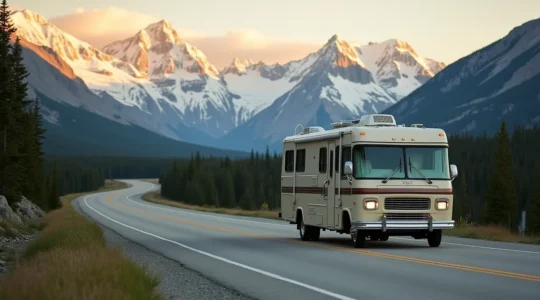
In summary: The Discovery Pass covers park entry but not “stacked” fees like backcountry permits, camping reservations, or shuttle services. Maximizing value requires strategic planning for reservations, which open on specific launch dates and sell out in minutes. Understanding the…
Read more
In summary: Swap peak season (July) for the “shoulder season” (September) to cut accommodation and rental costs by up to 40%. Ditch the linear cross-country drive; fly into regional hubs and explore in loops to save thousands on fuel and…
Read more